Skip to content

Row image
SKIN BIOLOGY

Your Skin on Perimenopause

You're in your late thirties or forties. Your skin has been predictable for years. And then, quietly, it isn't. Drier than before. Breaking out like you're sixteen again. Or somehow both at once.

This isn't bad luck. It's likely perimenopause, the hormonal transition that can begin in your mid-thirties, often years before your periods stop. Most conversations about menopause focus on what happens after. But the skin changes start much earlier, and understanding them is the first step to responding with intelligence rather than frustration.

What Is Perimenopause?

Perimenopause is the transition period leading up to menopause, during which the ovaries gradually produce less estrogen and progesterone. It can last two to ten years. Skin changes often appear before any other symptoms, which is why many women in their late thirties are already experiencing them without realising why.

How Perimenopause Affects the Skin

Estrogen stimulates collagen production, maintains the skin's moisture barrier, promotes cell turnover, and regulates oil glands. As levels decline, these processes slow, sometimes all at once.

Dryness and Tightness: The skin barrier weakens as estrogen-driven hyaluronic acid and ceramide production drops, leading to faster moisture loss.

Loss of Firmness: Collagen synthesis slows alongside estrogen. Skin can lose up to 30% of its collagen in the first five years of menopause, but the decline begins in perimenopause.

Adult Breakouts: As estrogen dips, androgens become relatively dominant, increasing oil production and triggering hormonal acne, typically along the jaw and chin.

Dullness and Uneven Tone: Slower cell turnover causes dead skin cells to accumulate, resulting in a flat complexion and more visible dark spots.

These changes can feel contradictory - oily and dry at the same time, breakouts alongside fine lines. The routine isn't failing. The skin has simply changed. 

Row image

The Collagen Decline: What You Need to Know

Estrogen directly stimulates fibroblasts, the cells that produce collagen. As estrogen fluctuates in perimenopause, collagen synthesis slows and skin loses structural support. The good news: the skin responds well to targeted intervention. Perimenopause is the right time to start, not to wait.

Key Ingredients for Perimenopausal Skin

Retinoids: Stimulate collagen production and accelerate cell turnover. Use at night, start low, build slowly.

Niacinamide: Strengthens the barrier, regulates sebum, reduces redness, and brightens dark spots. Addresses multiple perimenopausal concerns at once.

Peptides: Encourage collagen synthesis. A gentler alternative or complement to retinoids for sensitive skin.

Hyaluronic Acid: Replenishes moisture lost due to declining estrogen. Look for multi-molecular-weight formulas for deeper hydration.

Vitamin C:  Supports collagen synthesis and evens skin tone. Most effective as a morning serum.

SPF 50: Perimenopausal skin is more vulnerable to UV-driven collagen breakdown and pigmentation. Broad-spectrum SPF is non-negotiable.

The approach matters too: fewer actives at once, more focus on barrier repair, consistency over intensity.

Row image

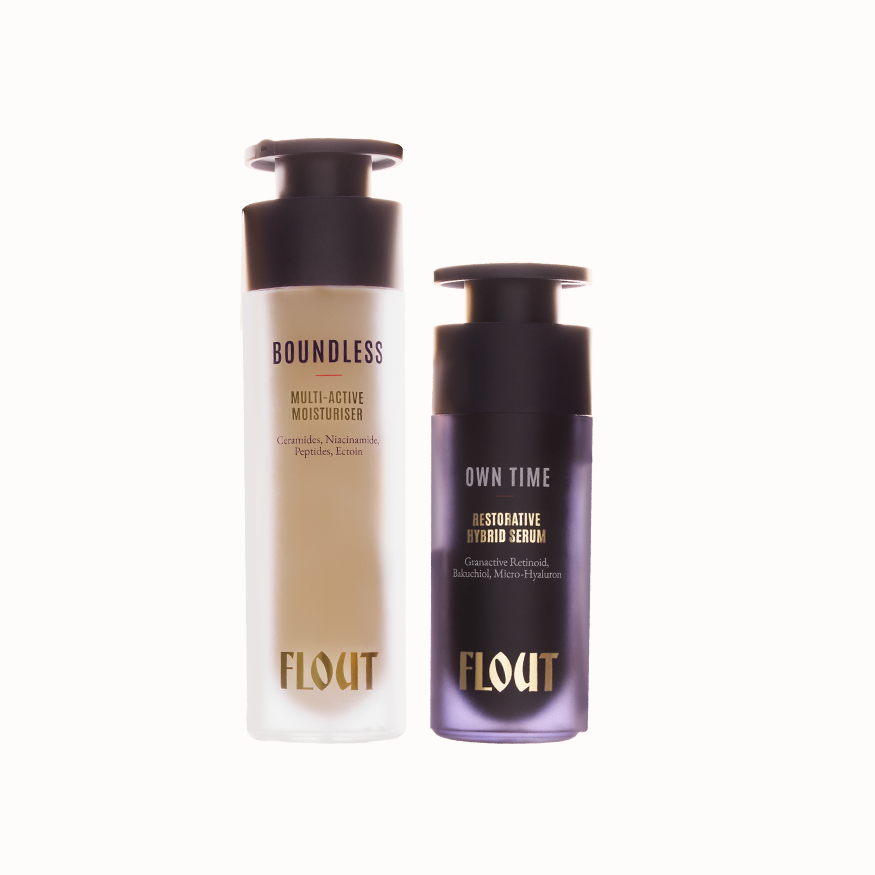
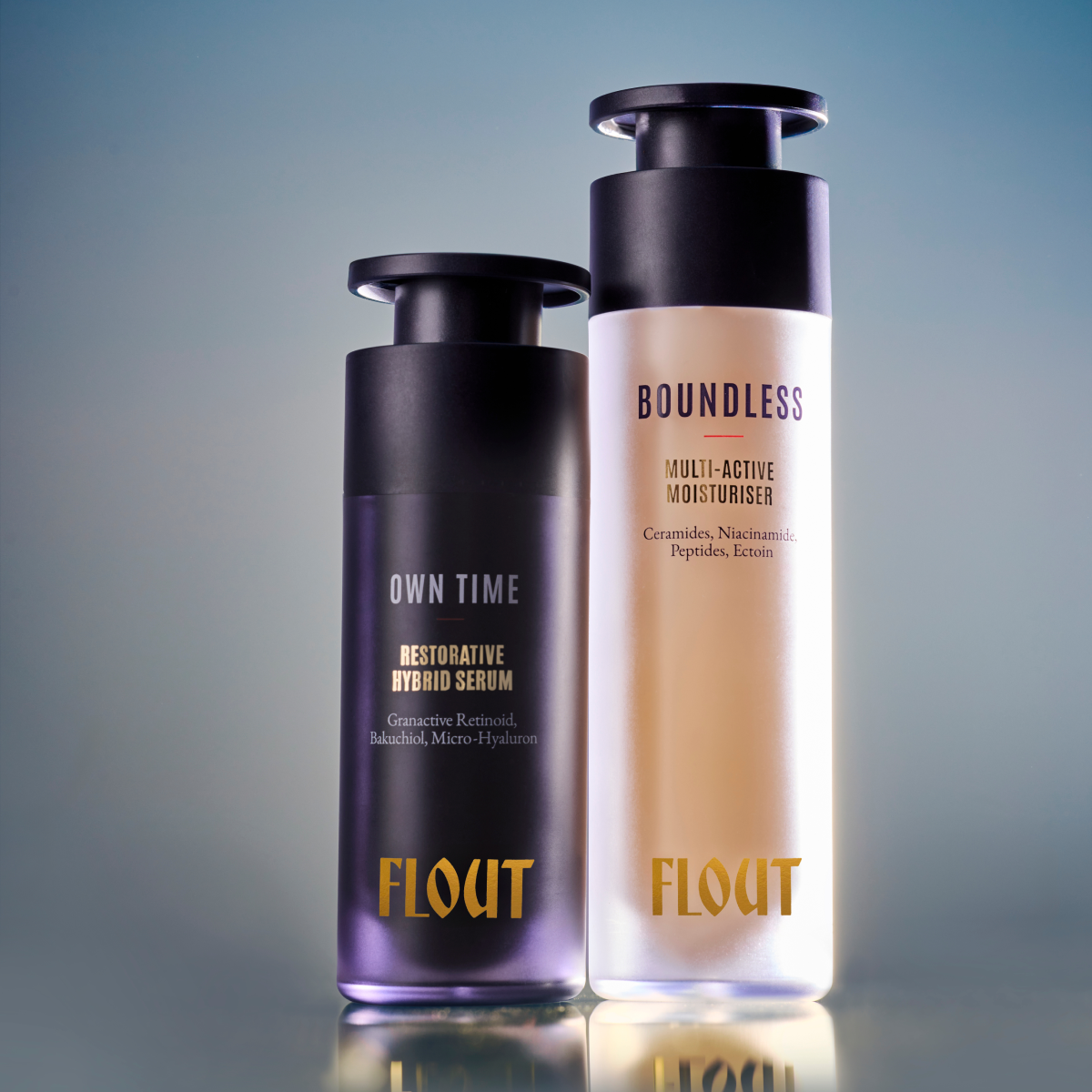
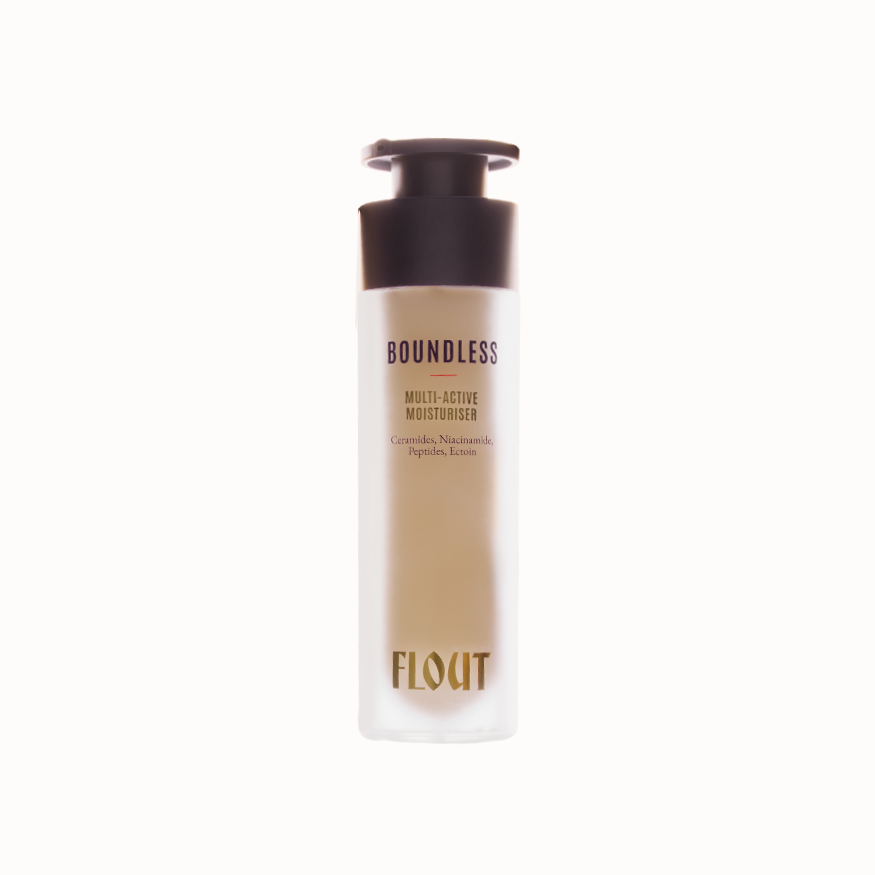
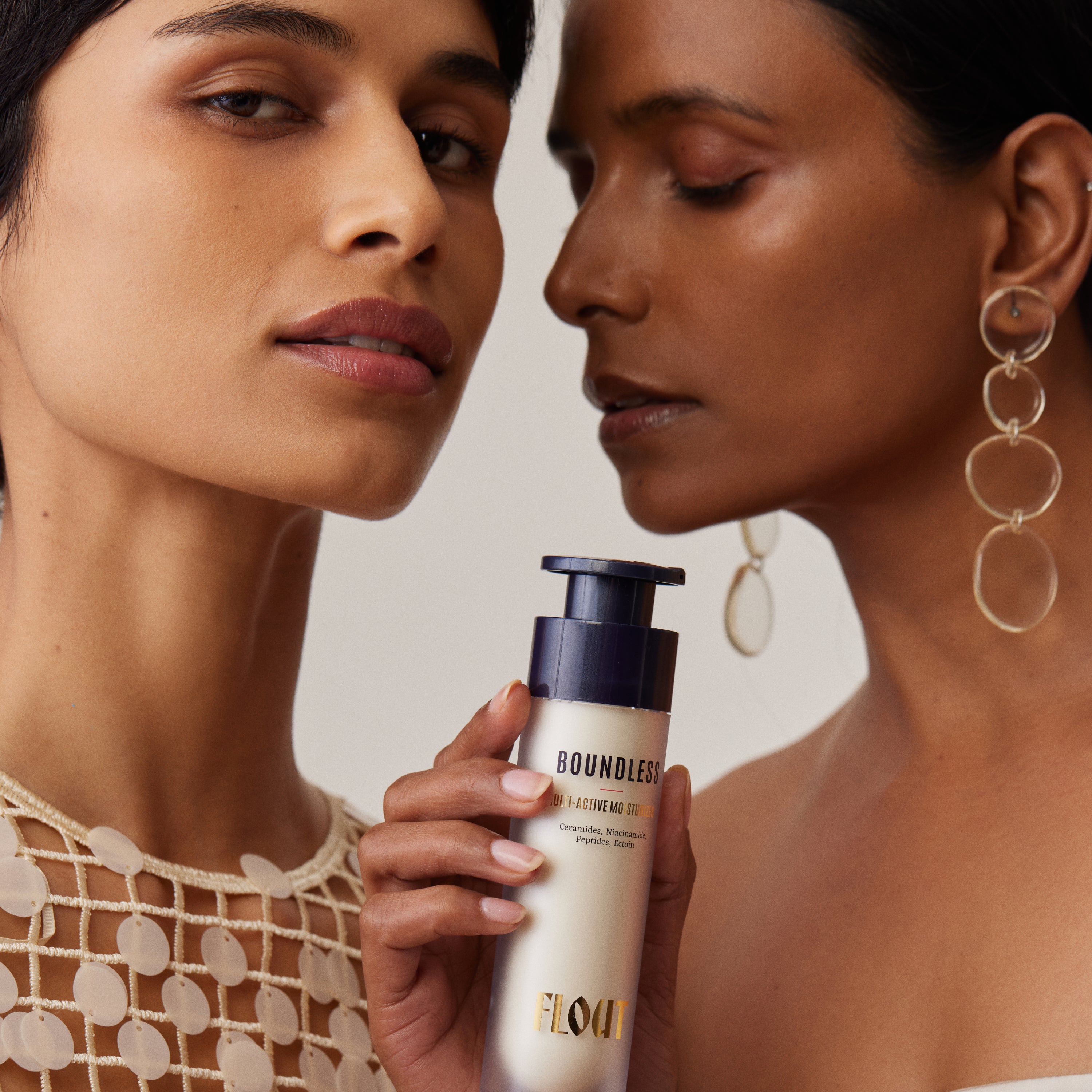
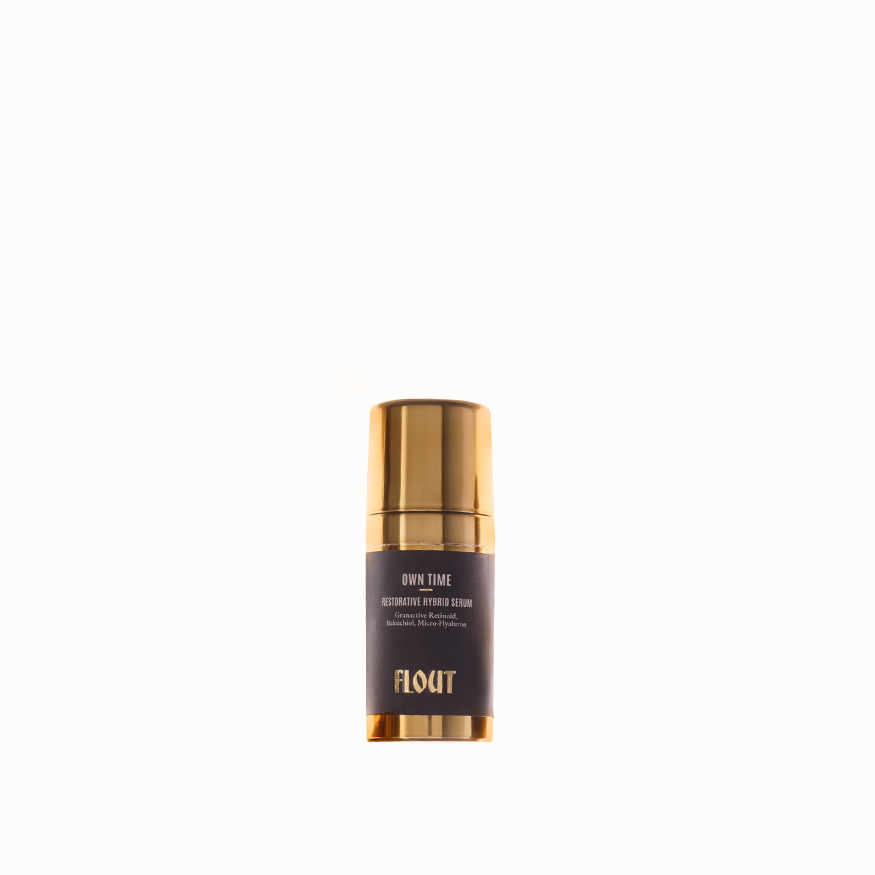
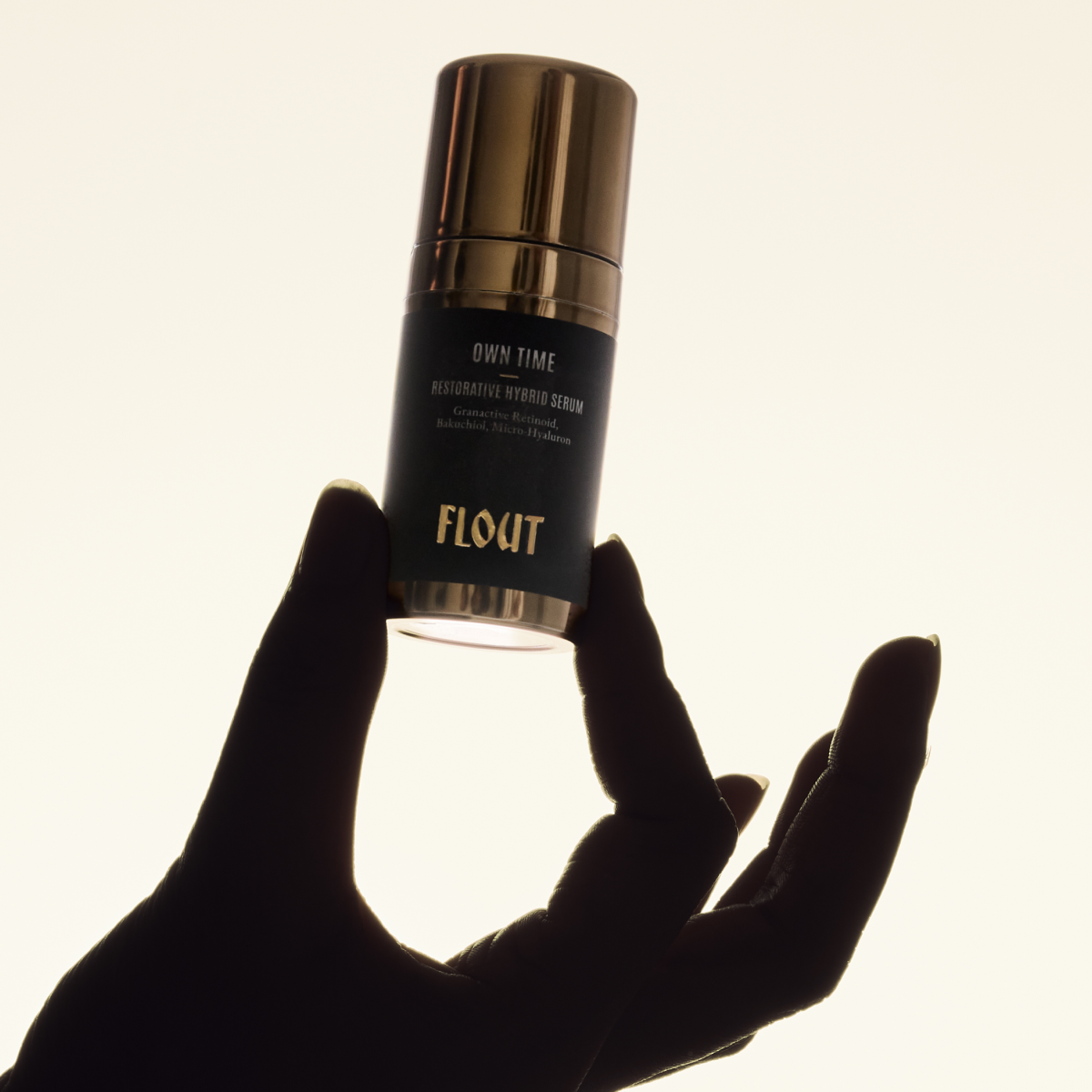
Built for This: Boundless and Own Time

Flout's two products were designed with exactly these skin changes in mind, clinically tested on Indian skin aged 35 to 60.

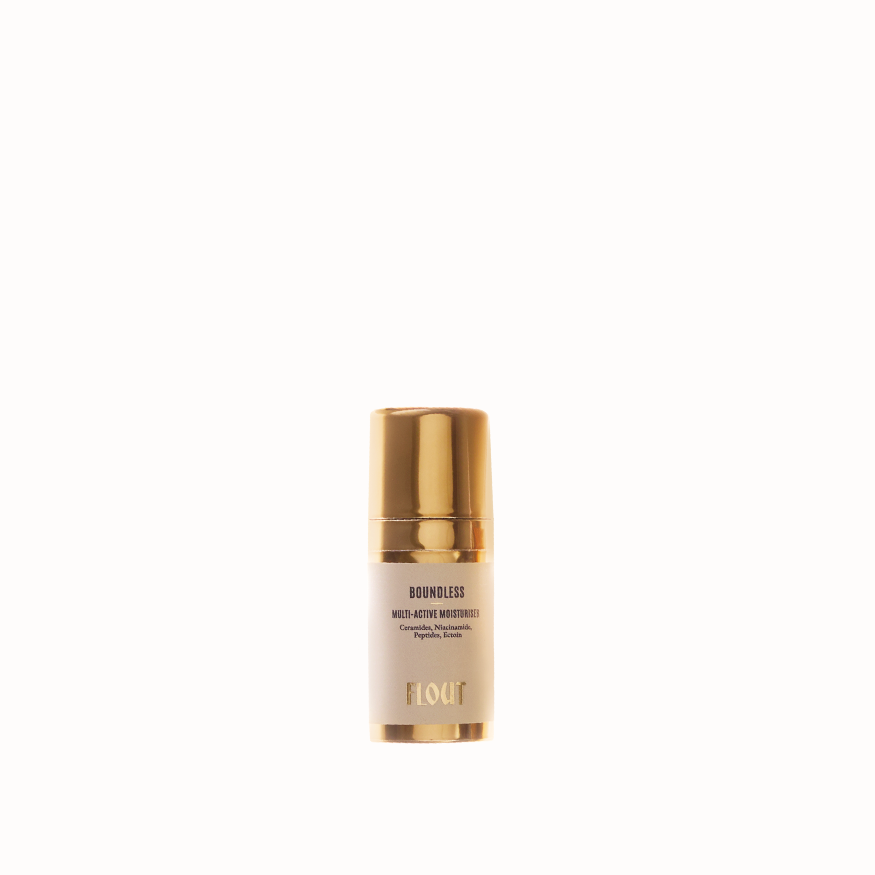
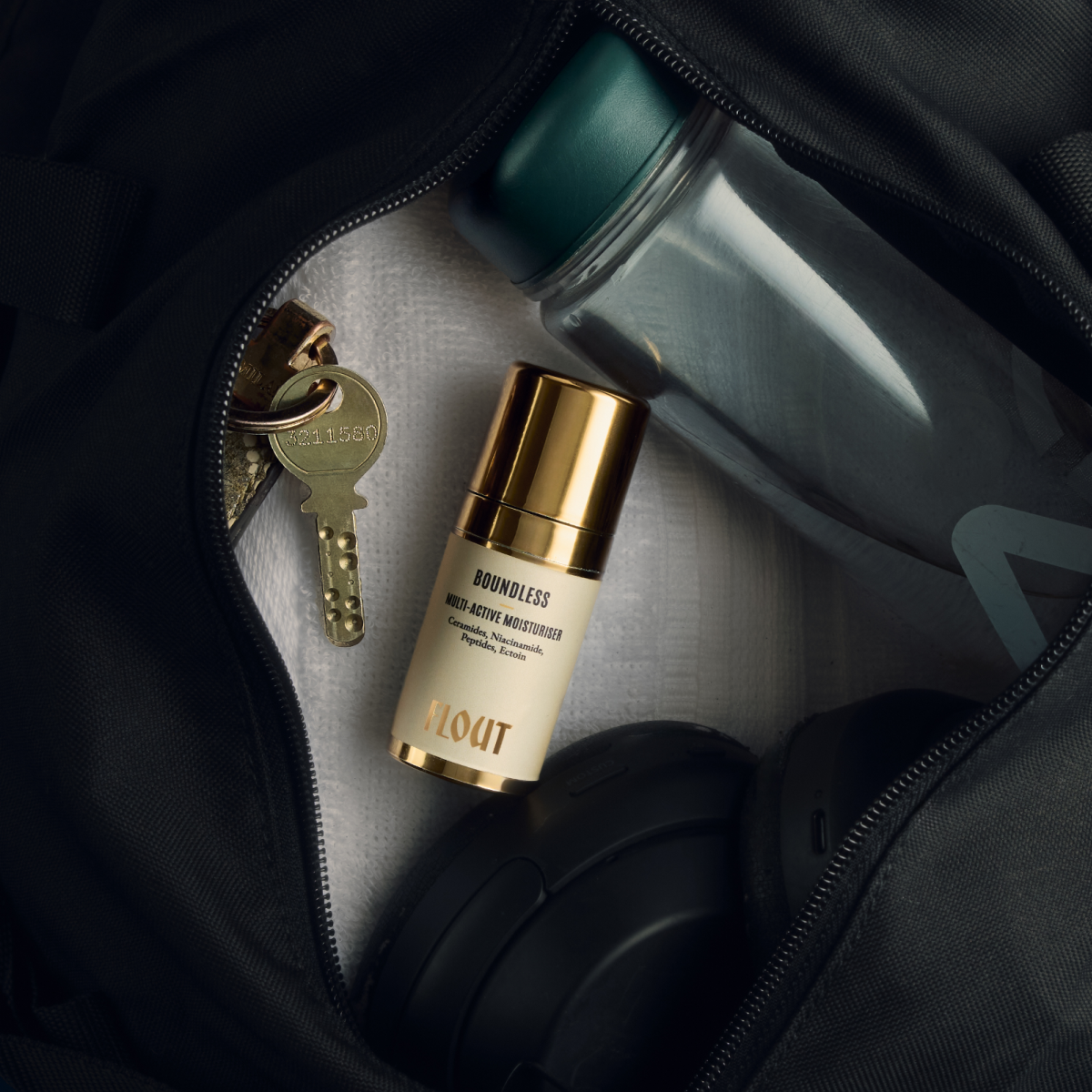
Boundless: Combines ceramides, peptides, and niacinamide to rebuild the barrier, support collagen, and brighten uneven tone — the three things perimenopausal skin needs most. 

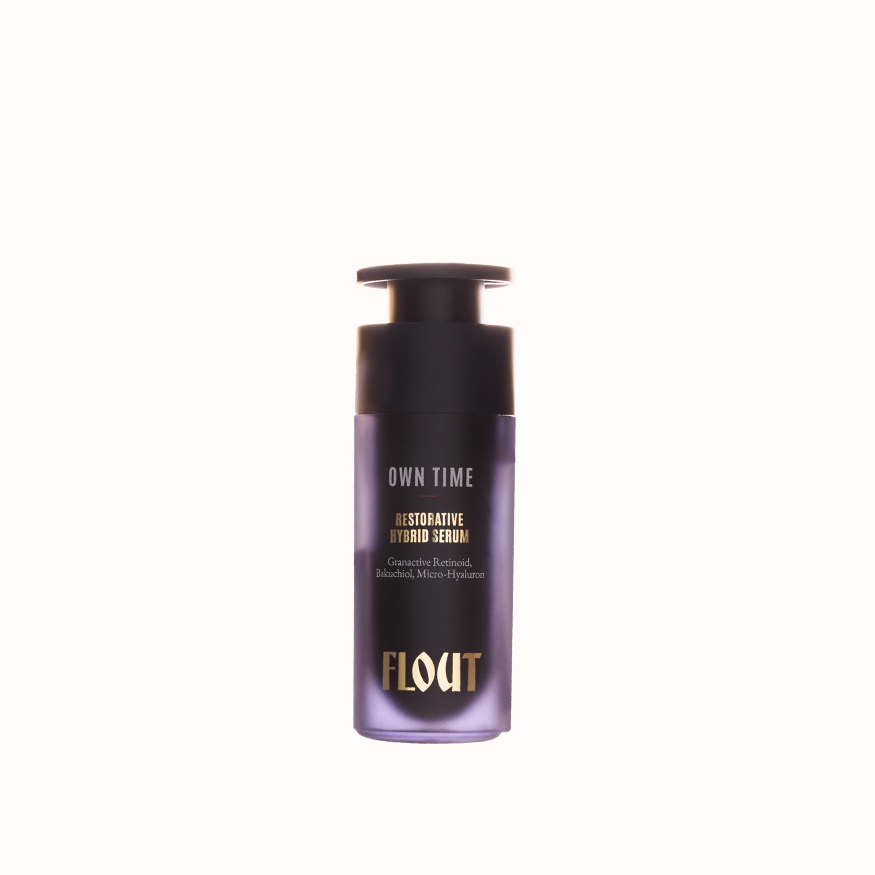
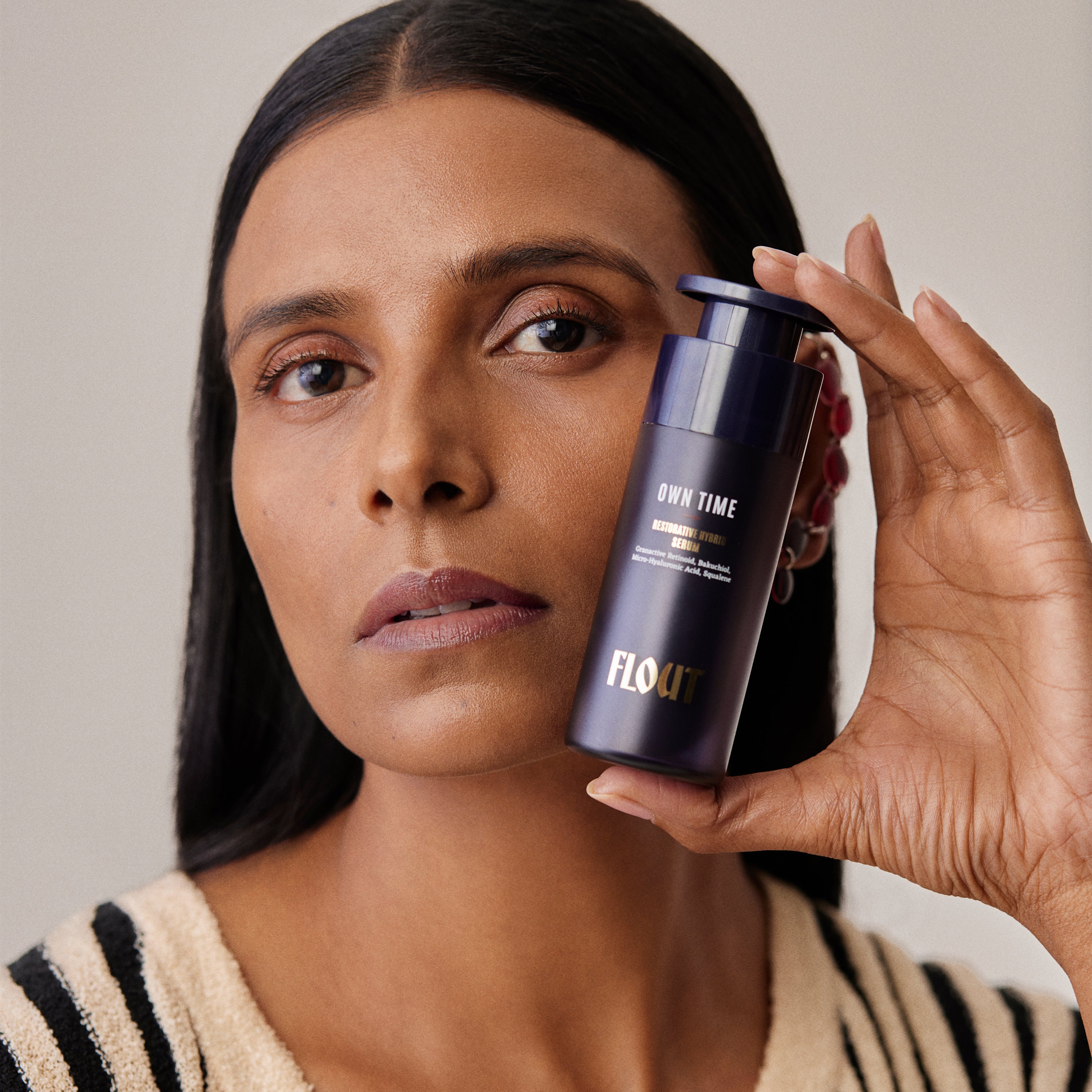
Own Time: Uses HPR, a next-generation retinoid, paired with Bakuchiol to drive collagen renewal and cell turnover overnight. 

Together, they form a complete AM and PM routine built specifically for skin that's changing.

The Bottom Line

Perimenopause is a biological transition, not a skin failure. The changes are real, they're hormonal, and they respond well to the right ingredients used consistently. Your skin isn't working against you. It's asking for something different.