Skip to content

Row image
SKINCARE SCIENCE

Understanding Your Skin Barrier and Why It’s Often the Missing Piece

If your skin has started reacting to products that once worked, you’re not alone.

Tightness after cleansing. A sudden sting from familiar formulas. Skin that looks oily but still feels dehydrated. These are increasingly common experiences, and they’re not always signs that you need more actives or a more complex routine.

More often, they point to something simpler: a skin barrier that’s under stress.

Over the last few years, barrier health has quietly become one of the most important conversations in skincare. Not as a trend, but as a realisation that many visible skin concerns are rooted in how well the skin is protected and supported day to day.

What the Skin Barrier Actually Is

The skin barrier refers to the outermost layer of the skin, known as the stratum corneum. Structurally, it’s often described as a wall. Skin cells form the bricks, while lipids, mainly ceramides, cholesterol and fatty acids, act as the mortar that holds everything together. This structure has a clear purpose: to keep moisture inside the skin and to keep external stressors like pollution, bacteria and allergens out.

The skin’s microbiome, an ecosystem of beneficial bacteria living on the surface, is closely tied to this barrier as well. When the barrier is intact, the microbiome tends to stay balanced. When it’s disrupted, sensitivity and inflammation are more likely to follow.

A healthy barrier isn’t something you necessarily notice. It’s skin that feels steady, resilient and comfortable throughout the day.

Why Barrier Health Matters

When the barrier is functioning well, skin is better able to hold onto moisture, defend itself against environmental stress and regulate inflammation. Texture feels smoother, tone looks more even, and the skin’s natural glow comes through more easily.

When it’s compromised, the opposite tends to happen. Water escapes more easily, irritants penetrate more readily, and the skin becomes reactive. In practice, many concerns people try to treat, such as dullness, frequent breakouts, redness and premature fine lines, often improve when the barrier is repaired and supported.

Not because those concerns vanish overnight, but because the skin is finally able to function as it should.

Row image

The Signs And Causes Of A Damaged Barrier

Barrier damage is rarely the result of a single product. It’s usually cumulative. Frequent exfoliation, layering multiple strong actives, harsh cleansers and daily exposure to pollution and UV radiation all place ongoing demands on the skin. Add air conditioning, weather extremes, stress, poor sleep or fragrance-heavy formulas, and the barrier has very little room to recover.

In modern routines, barrier disruption is less about doing skincare wrong and more about skin being asked to do too much, too often. Barrier disruption doesn’t always show up dramatically. More often, it appears gradually. Skin may start feeling tight right after cleansing or sting unexpectedly when you apply products that once felt fine. Redness might linger longer than usual. Dry patches can appear alongside oiliness. Breakouts may start happening without a clear trigger.

When skin begins reacting unpredictably, it’s usually not because it has suddenly “become sensitive.” In many cases, the barrier is no longer able to buffer daily stress effectively.

Barrier Support Doesn’t Mean Avoiding Actives

There’s a common assumption that repairing the barrier means stepping away from effective ingredients like acids or retinoids. That isn’t necessarily true. Actives themselves aren’t the problem. Irritation is.

Ingredients like retinoids work by increasing cell turnover, a process that over time can actually strengthen the skin and improve resilience. The issue arises when this process is paired with excessive inflammation, water loss and prolonged discomfort.

A barrier-aware approach doesn’t avoid actives. It prioritises tolerance and recognizes that long-term, consistent use matters more than overnight changes. It asks whether an ingredient is formulated in a way the skin can handle consistently, whether hydration and lipids are present to offset disruption. It takes a more patient approach instead of loading up on mere aggression. When those factors are in place, actives can support barrier health rather than undermine it.

Row image

The Flout Approach

We formulate with the assumption that most skin today is already under some degree of stress.

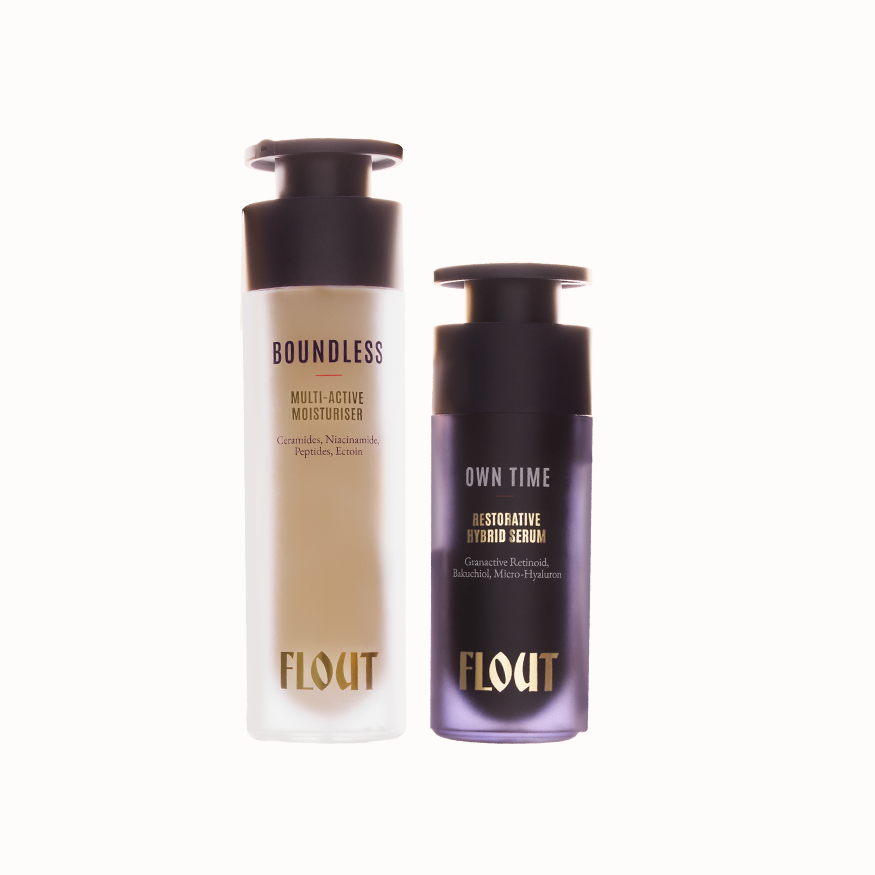
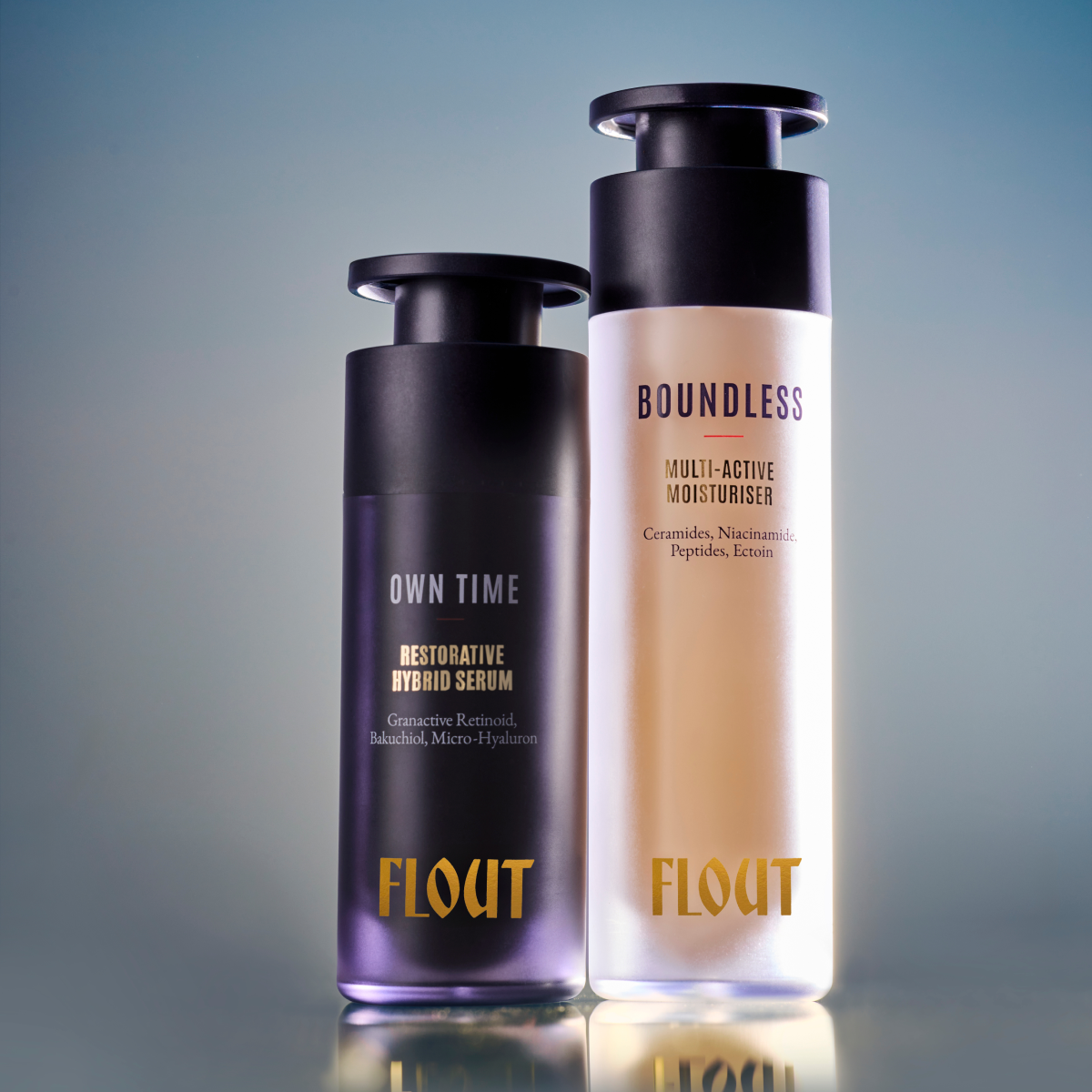
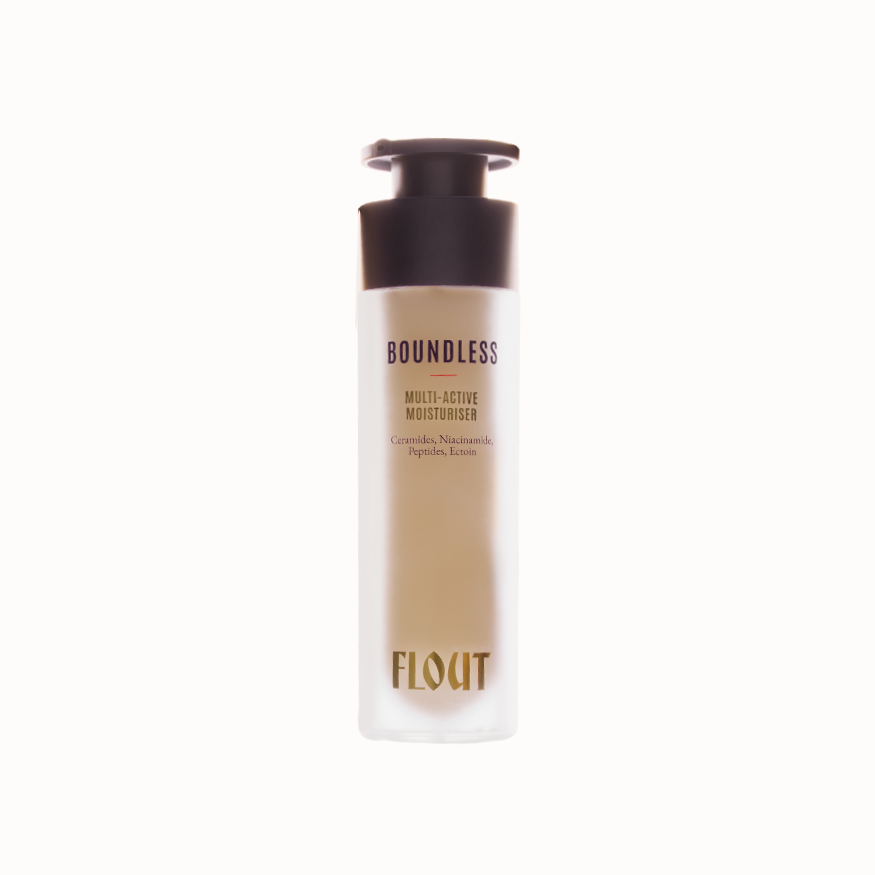
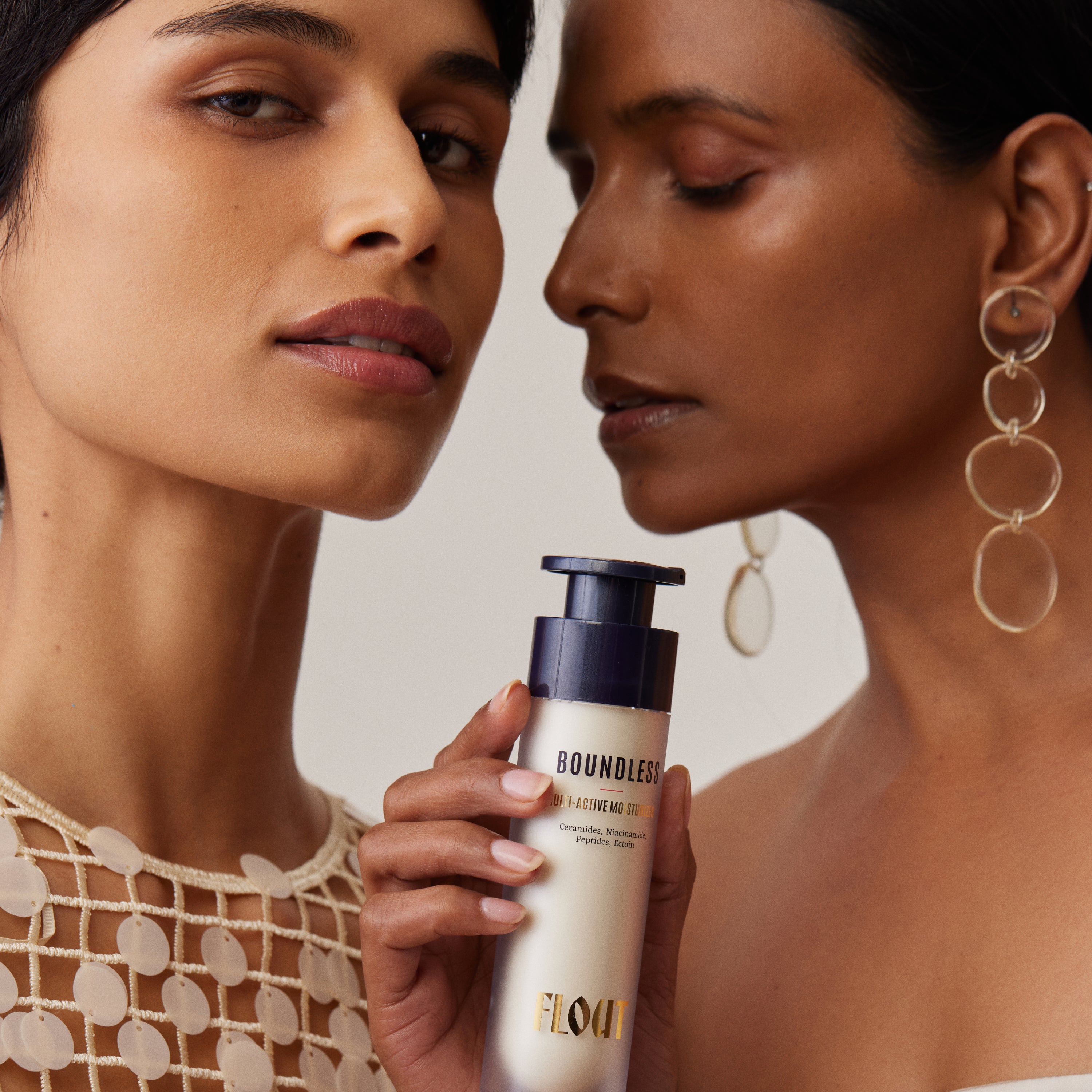
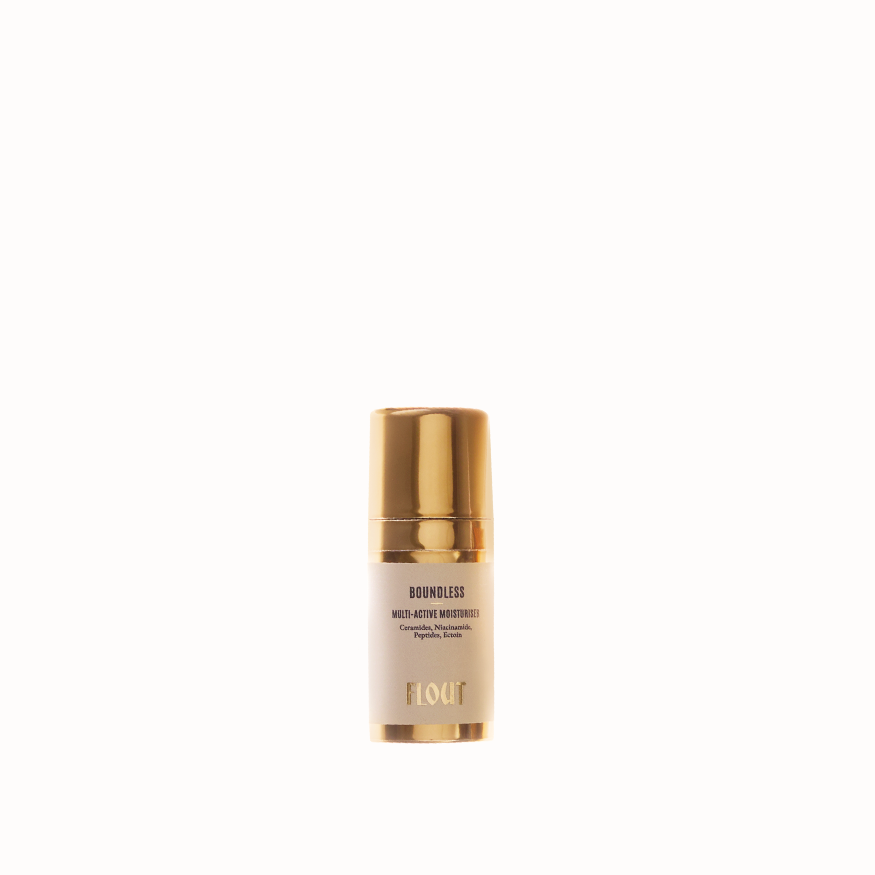
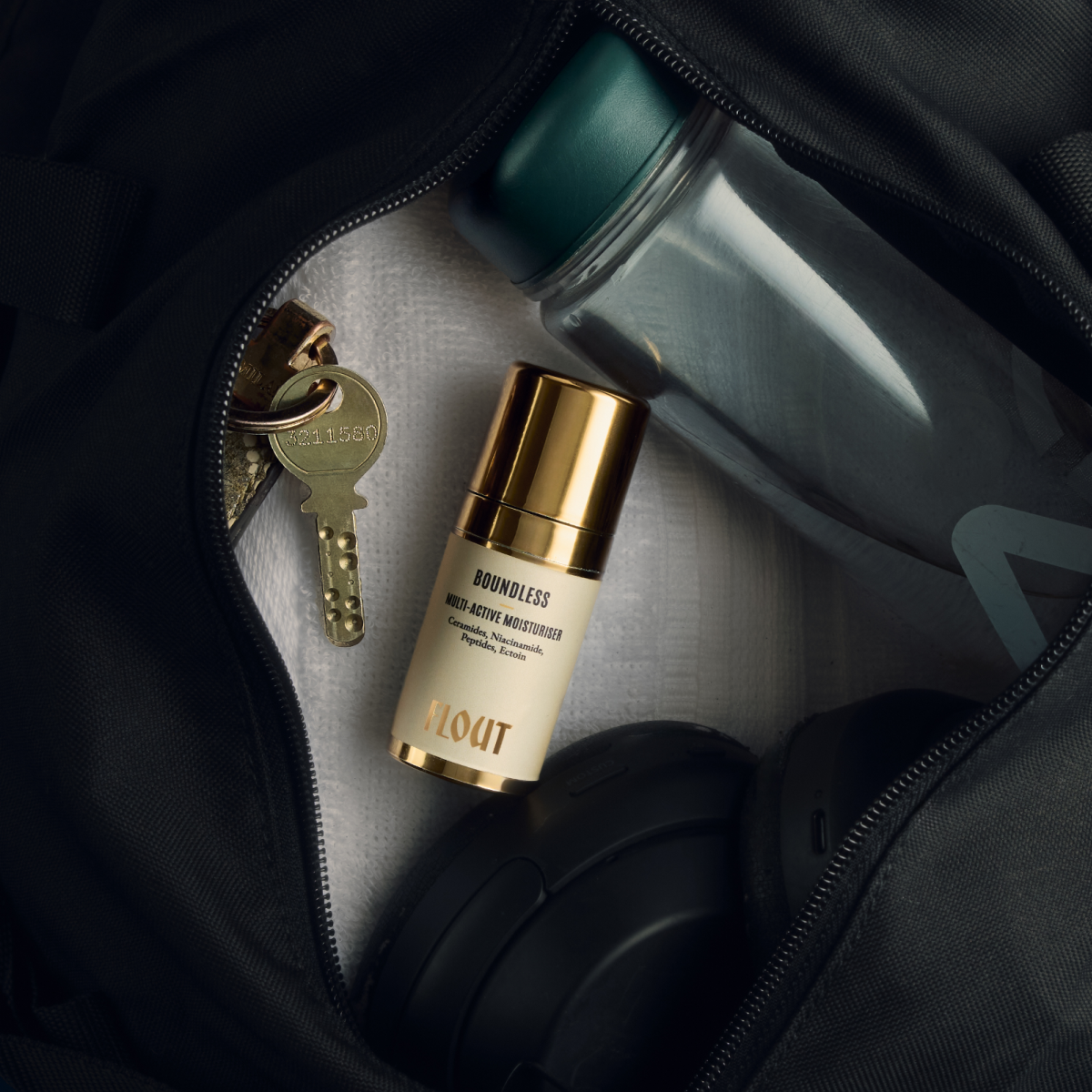
Our non-retinoid products focus on maintaining barrier stability through daily exposure to pollution, climate and dehydration. They rely on a combination of hydration and structure. Multiple humectant types (not just Hyaluronic acid), occlusives, in combination help support sustained water retention. Ectoin helps the skin remain calm under environmental stress. Ceramides, peptides and biomimetic lipids reinforce the skin’s natural architecture.

The goal isn’t to overwhelm the skin, but to help it stay steady.

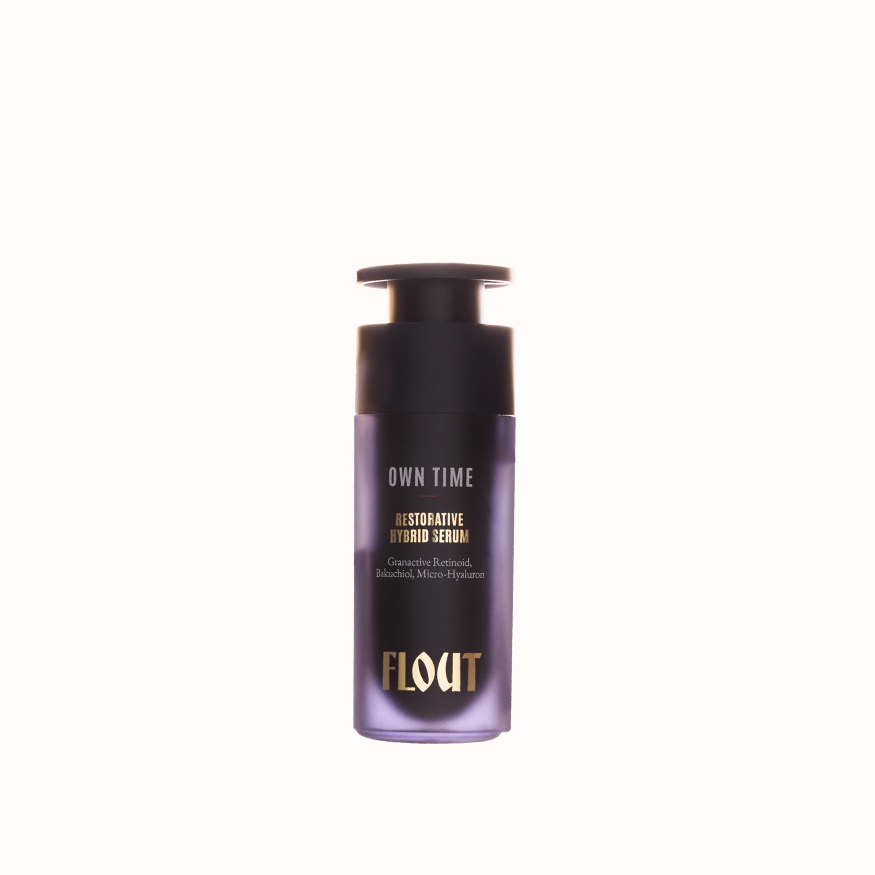
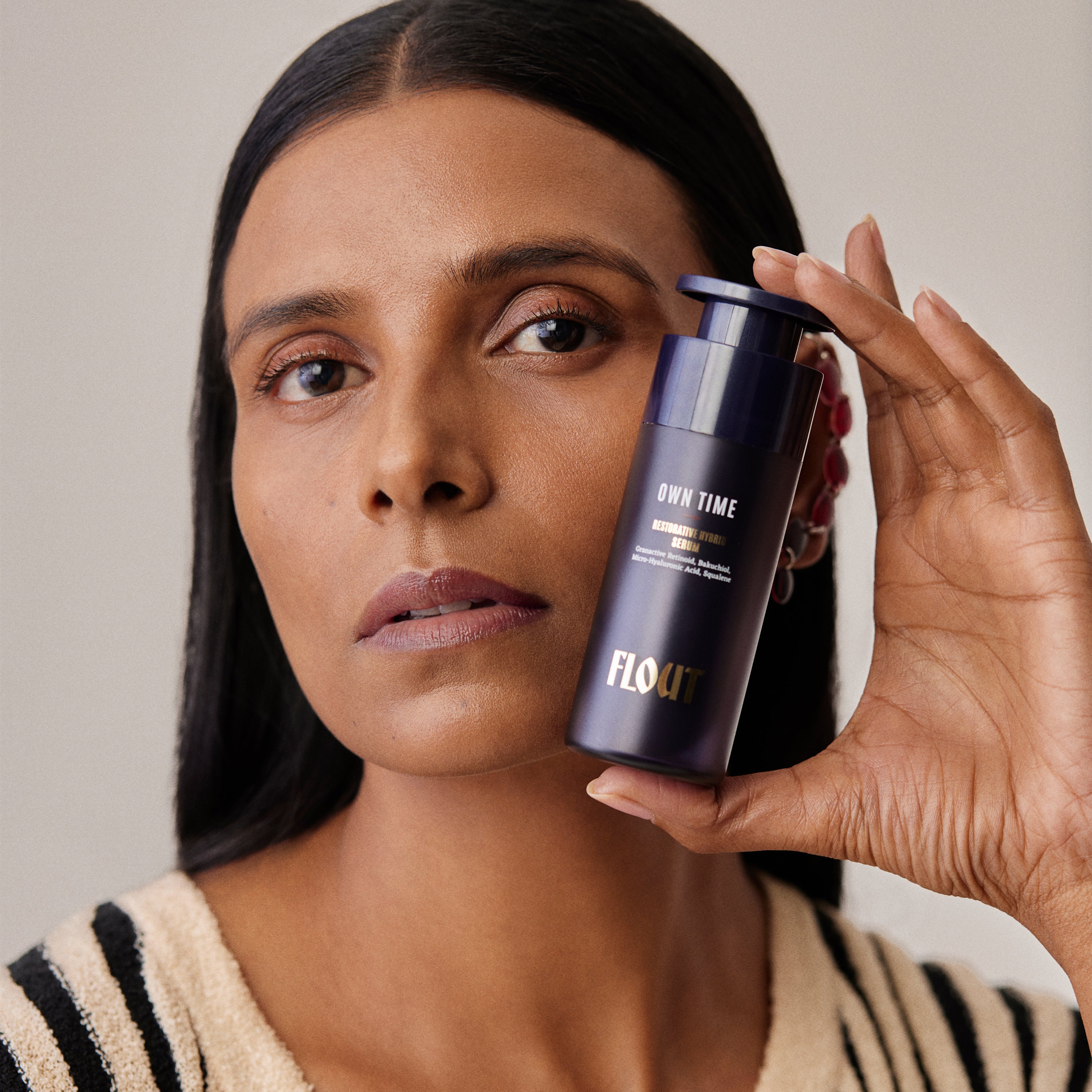
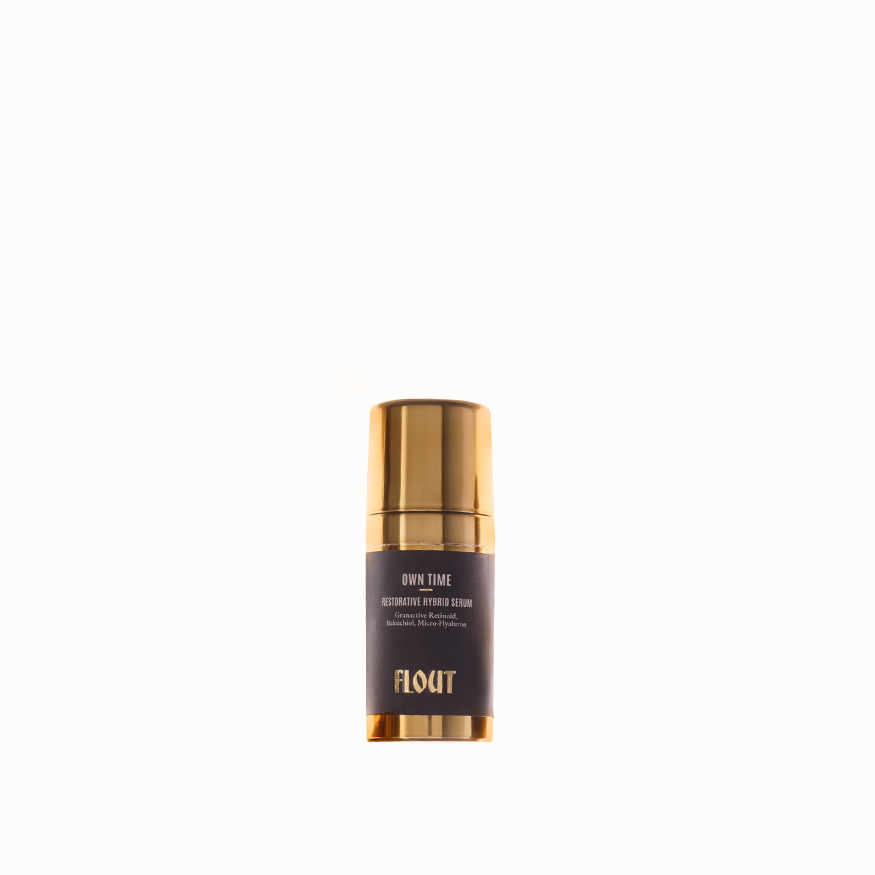
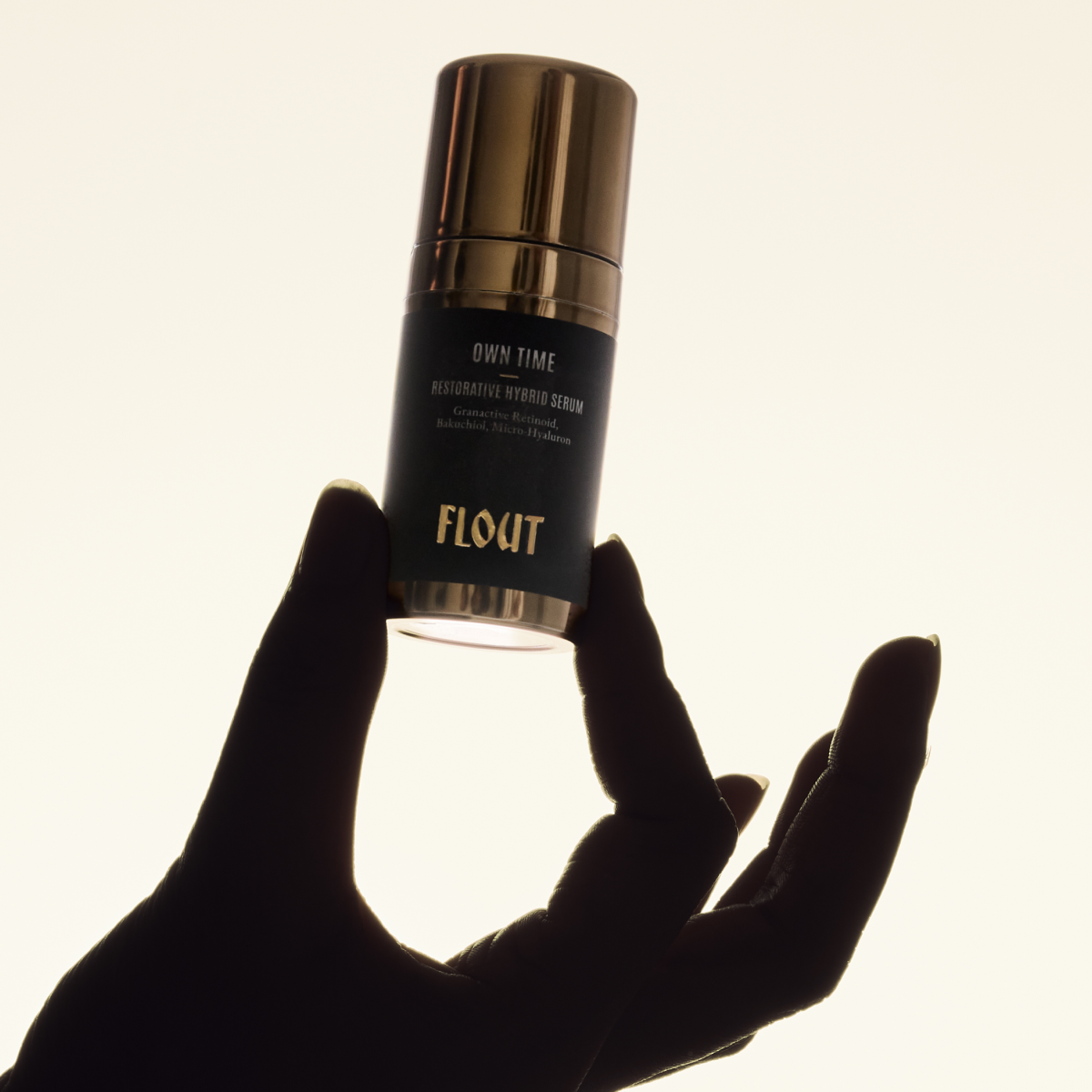
Our retinoid follows the same philosophy. Retinoids are often associated with peeling, redness and discomfort, but we don’t see irritation as a necessary phase. This formulation was designed to support the barrier alongside cell renewal. Soothing agents, humectants and lipids help reduce unnecessary stress. It’s built for consistency rather than aggressiveness, because skin that feels supported is more likely to improve over time.

Supporting the barrier doesn’t require an elaborate routine. In fact, simplicity in routine combined with rigor in formulation works in the skin’s favour. Gentle cleansing, well-balanced formulas that combine hydration with lipids, mindful use of actives and daily sun protection tend to matter far more than the number of steps involved. Consistency, not intensity, is what allows the barrier to recover and strengthen.