Skip to content

Row image
Skincare Science

Summer Skin Hydration: What Actually Matters

Hydration is one of those words that gets used often, and understood loosely. In summer, when heat, humidity, and sun exposure peak, it becomes even more important, but also more confusing. Does oily skin need hydration? Does sweating count? Are lightweight products enough?

Let’s simplify this, without reducing the nuance.

At its core, skin hydration refers to water content within the outermost layer of your skin. Well-hydrated skin appears more even, feels more comfortable, and is better equipped to maintain its barrier.

But hydration is not just about adding water. It’s about retaining it.

This distinction matters more in summer than we often realise.

Why Your Skin Gets Dehydrated In The Summer

It’s easy to assume that humidity and sweat mean your skin is naturally hydrated. In reality, several summer factors can work against you:

  • Increased transepidermal water loss (TEWL): Heat can accelerate the evaporation of water from the skin.
  • Sun exposure: UV stress can impair the skin barrier, making it less efficient at holding onto moisture.
  • Over-cleansing: Sweat and oil often lead to more frequent washing, which can strip essential lipids.
  • Air conditioning: Prolonged exposure to cooled, dry indoor air can quietly dehydrate the skin.

So while your skin may feel “moist” on the surface, it can still be dehydrated underneath.

One of the most common misconceptions is that oily or acne-prone skin doesn’t need hydration. In fact, dehydration can sometimes lead to increased oil production, as the skin tries to compensate.

The goal isn’t to remove oil entirely, but to support a balanced environment where the skin doesn’t feel the need to overcorrect.

Row image

What To Look For In A Summer Hydrator

The most effective summer moisturisers work across multiple layers of the skin—drawing in moisture, helping retain it, and minimizing transepidermal water loss. The result is hydration that feels sustained, not just surface-level.

To achieve this, formulation becomes as important as ingredient choice. A well-balanced hydrator typically combines  

  • Humectants (like glycerin, hyaluronic acid) to attract water
  • Barrier-supporting ingredients to help retain that water
  • Lightweight emollients to reduce water loss without feeling heavy

The balance is important. Too light, and hydration doesn’t last. Too heavy, and it can feel occlusive in heat.

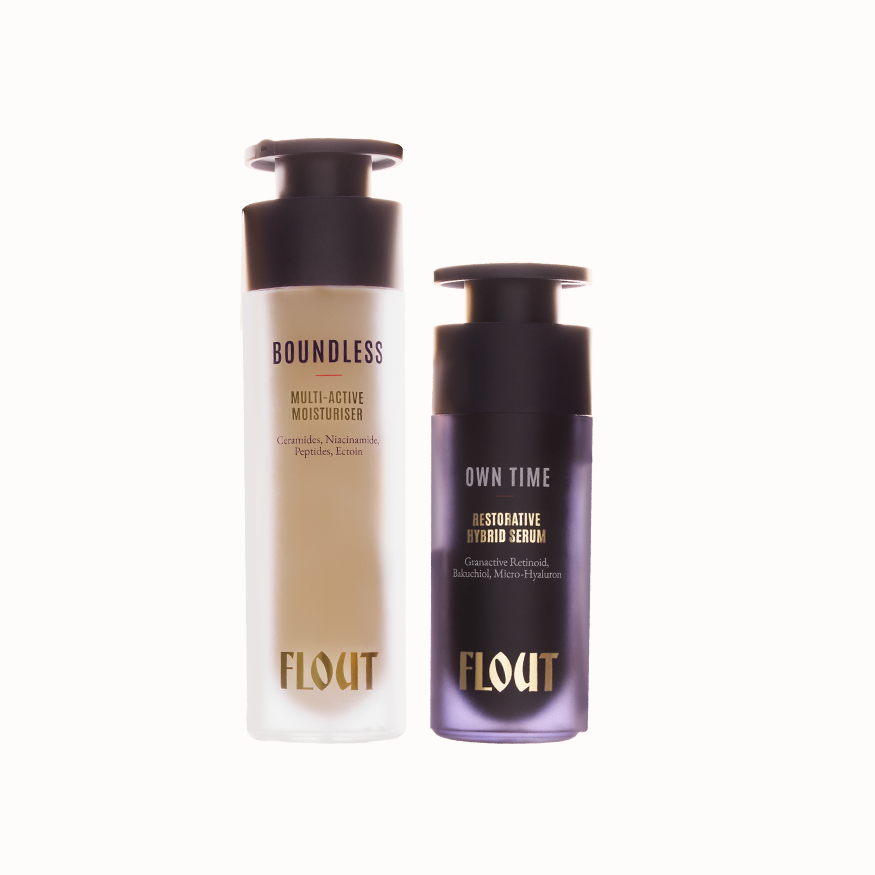
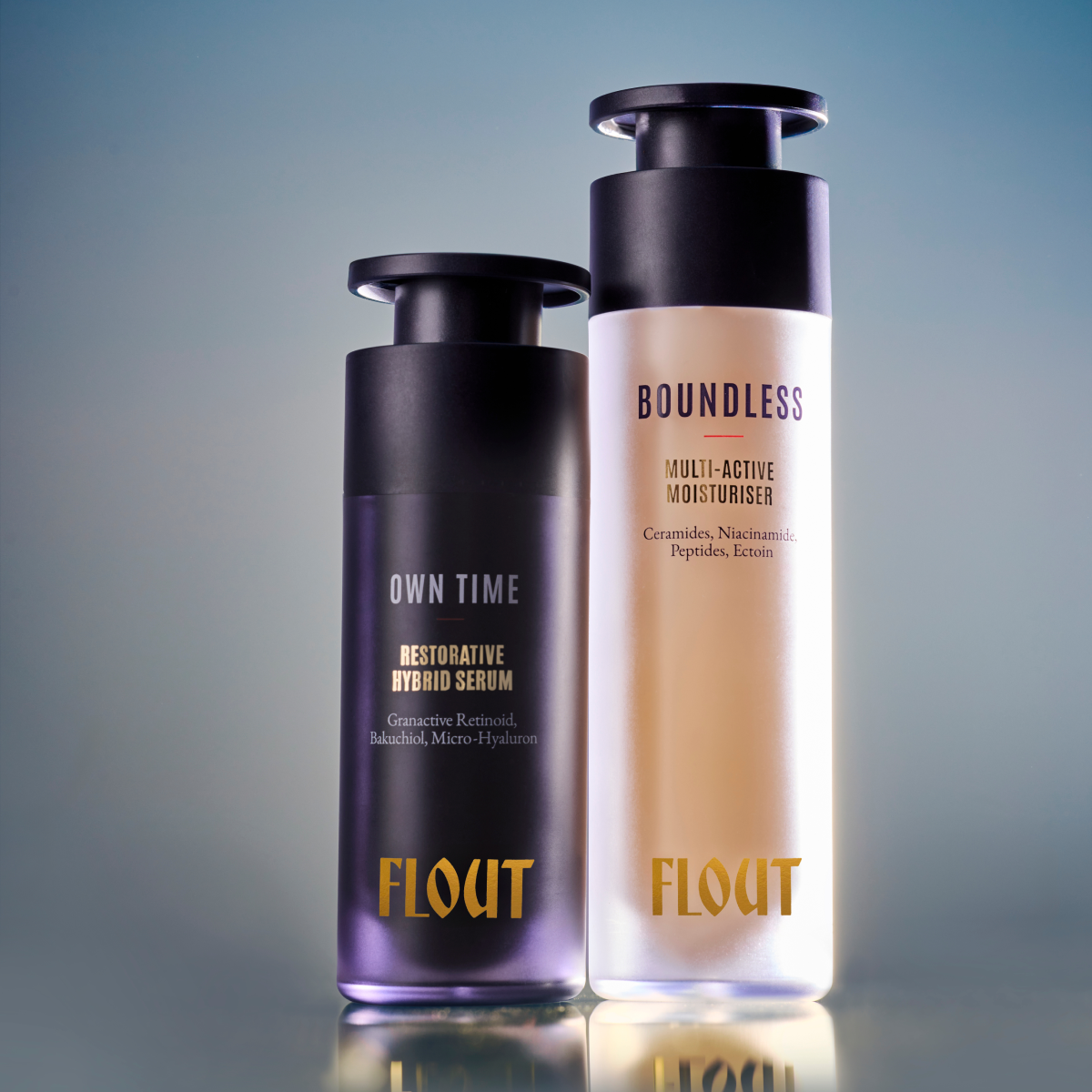
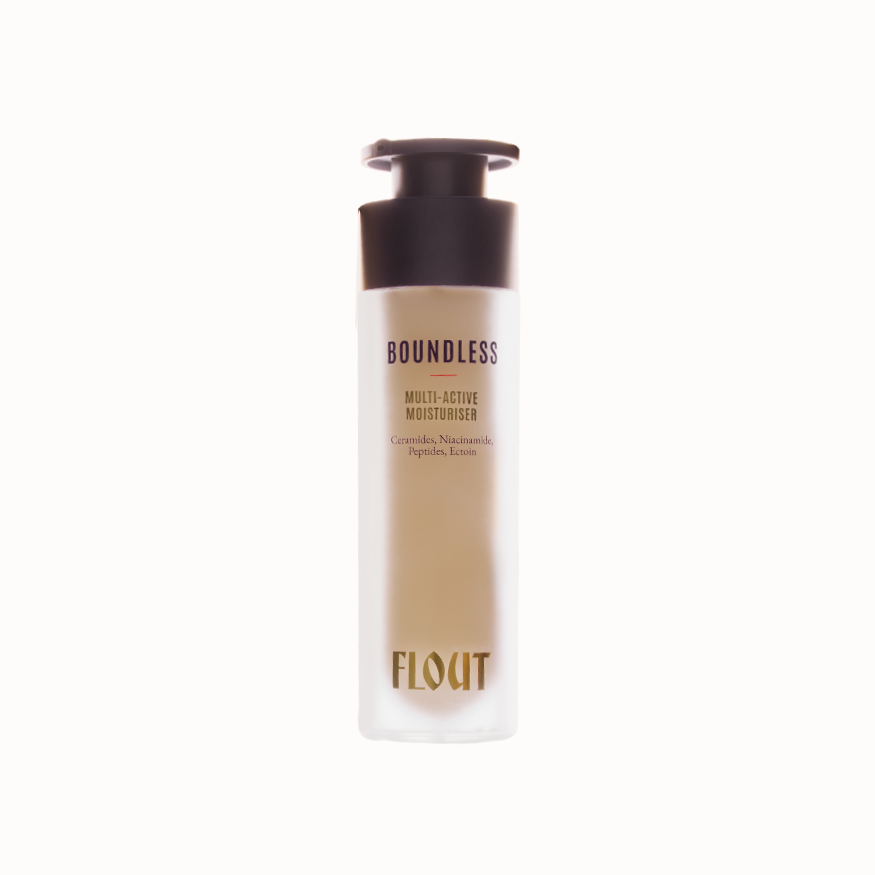
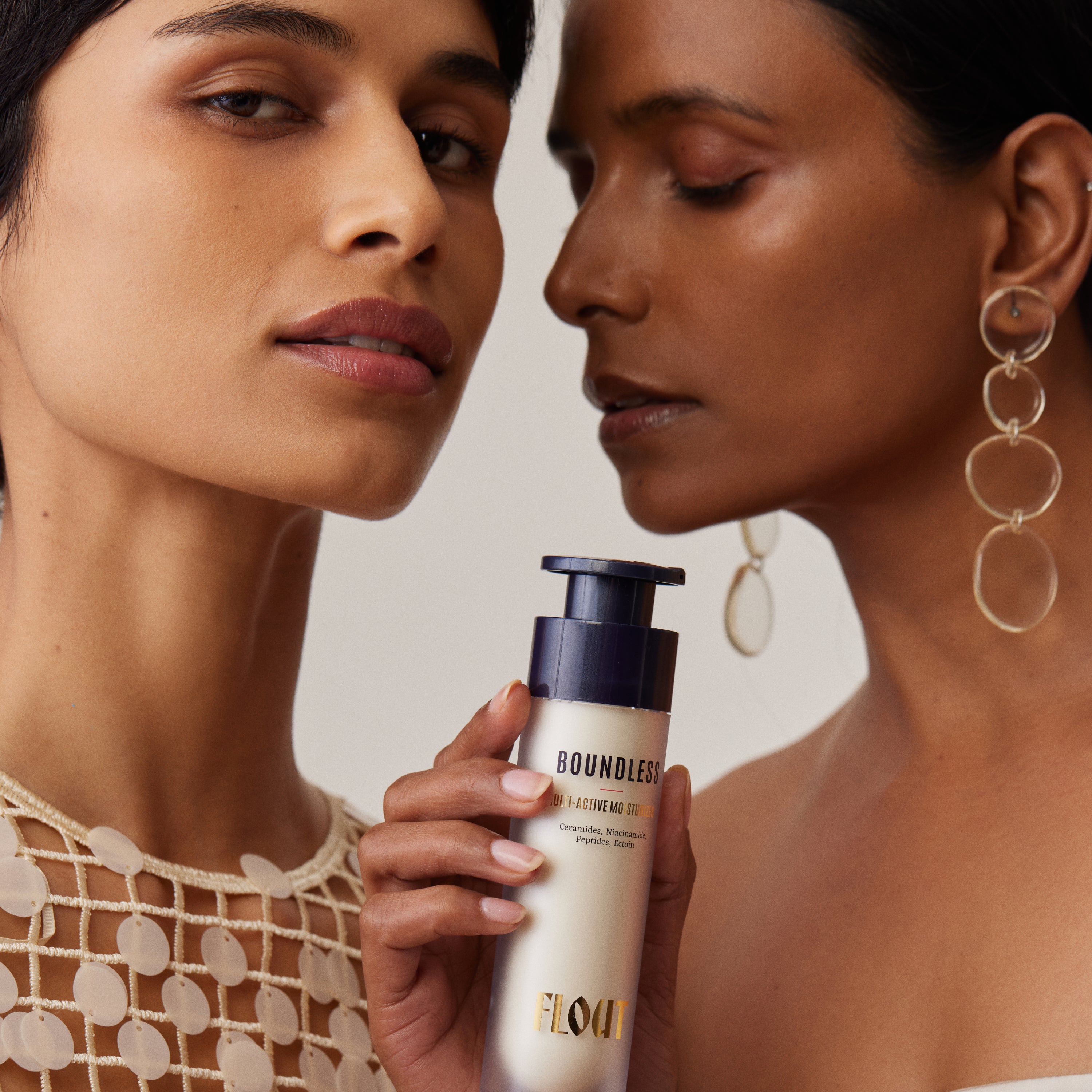
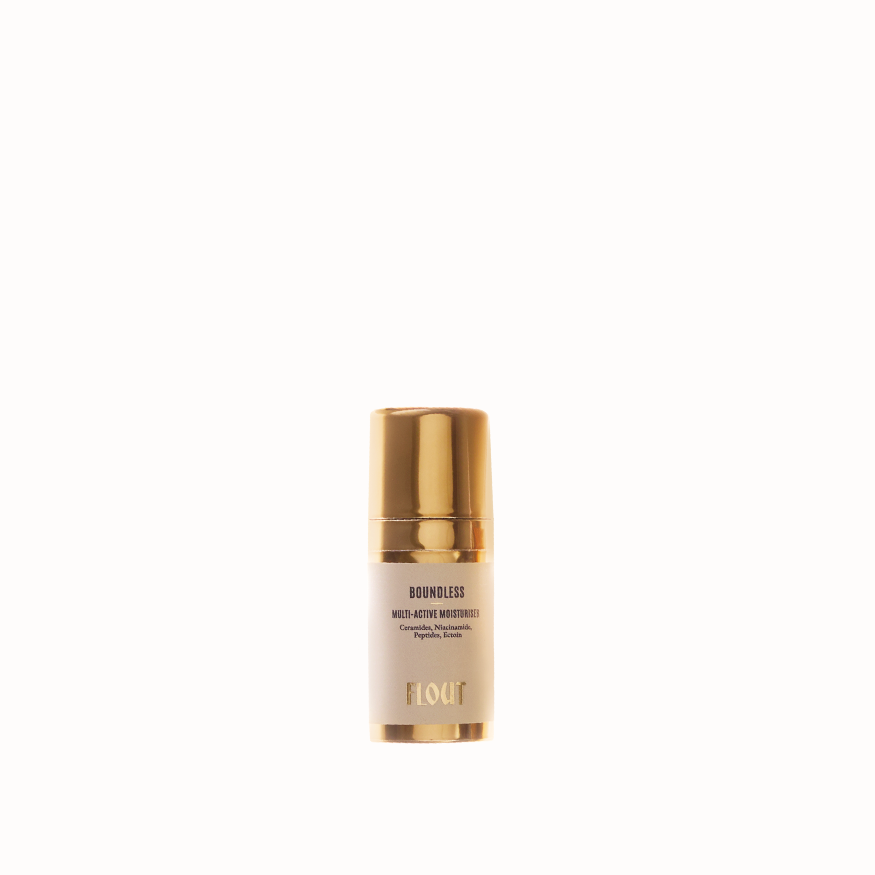
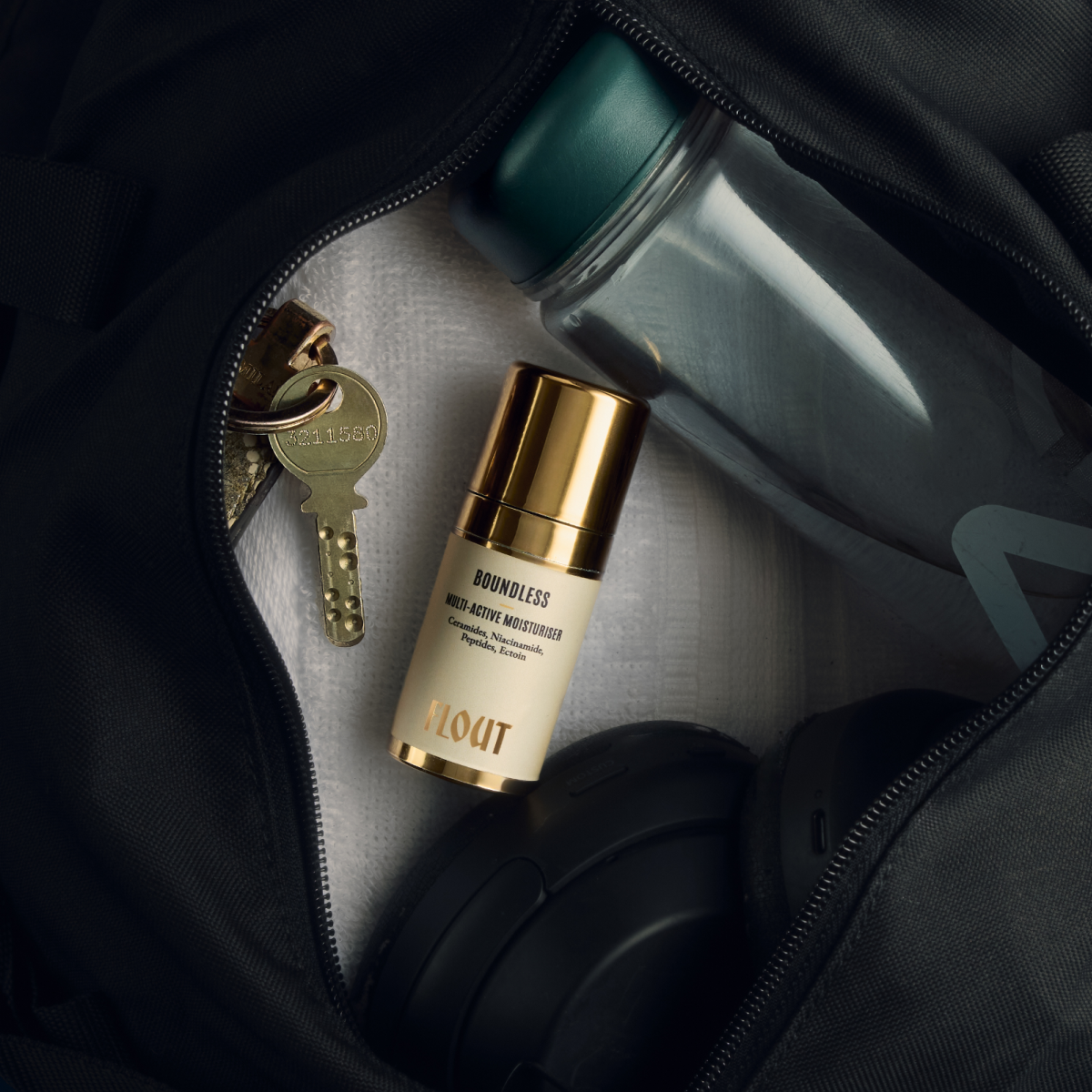
Boundless was designed with precisely this balance in mind. It pairs a strong humectant base of glycerin, butylene glycol, and hyaluronic acid to actively draw in and bind water, with barrier-supporting ingredients like niacinamide, ceramides, and panthenol that help skin hold on to that hydration through the day. The texture remains breathable and fast-absorbing, which becomes especially relevant in humid conditions where layering can quickly feel overwhelming.

Row image

Where Routine Adjustments Help

You don’t necessarily need an entirely new routine for summer, but small shifts can make a meaningful difference:

  • Cleansing: Keep it gentle, even if you’re cleansing more often
  • Layering: Lighter layers, applied consistently, tend to perform better than a single heavy product
  • Timing: Applying hydrating products on slightly damp skin can improve water retention
  • Sun protection: Daily sunscreen isn’t just about UV protection, it also helps preserve barrier function

The Takeaway

Summer hydration isn’t about doing more, it’s about doing it thoughtfully.

Support your skin’s ability to hold onto water. Choose textures that work with the climate you’re in. And remember that balance, not extremes, is what healthy skin tends to respond to best.