Skip to content

Row image
SKIN BIOLOGY

Skin Beyond Your 50s: What Changes, What Matters, and What Actually Helps

There’s a quiet shift that happens in the skin after menopause. Not sudden. Not dramatic. But undeniable. Skin that once felt resilient may now feel thinner. Drier. Less predictable. Fine lines sit a little deeper. Recovery takes longer. And sometimes, nothing in your routine seems to work the way it used to.

This isn’t a failure of skincare. It’s a shift in how skin functions. And once you understand that, the approach becomes clearer.


What Actually Changes in Skin After Menopause

Skin ageing is often reduced to wrinkles and pigmentation. But underneath, the real changes are functional.

Many of these shifts are also closely linked to post-menopause, a phase where hormonal changes, especially the decline in estrogen directly affect how the skin behaves. Estrogen plays a key role in collagen production, lipid synthesis, and hydration. As levels drop, the skin’s ability to maintain strength, moisture, and resilience changes alongside it.

1. Slower Cell Turnover: Skin renewal slows down. This can make the surface look dull, uneven, or tired.

2. Reduced Lipid Production: The skin produces fewer natural lipids (ceramides, cholesterol, fatty acids). This weakens barrier integrity and increases dryness.

3. Lower Collagen Activity: Collagen production declines, and existing collagen breaks down faster. This shows up as loss of firmness and elasticity.

4. Increased Water Loss (TEWL): A compromised barrier leads to higher transepidermal water loss. Skin struggles to retain hydration.

5. Heightened Sensitivity: Skin becomes more reactive especially to strong actives or over-complicated routines.

None of this is unusual. But it does change what “effective skincare” looks like.

Row image

The Shift: From Correction to Function

Most routines are built around correction - targeting wrinkles, spots, or sagging individually. After menopause, this approach often backfires. Because the issue isn’t just what you see. It’s how the skin is functioning underneath.

The goal becomes simpler, but more precise:

  • Support the barrier
  • Improve hydration retention
  • Encourage healthy renewal
  • Reduce unnecessary stress on the skin

This is where fewer, well-designed steps outperform longer routines.


What Matters More Than Ever

Barrier Support: A strong barrier isn’t optional anymore. It’s foundational. Look for formulations that replenish skin-identical lipids and support recovery without heaviness.

Intelligent Hydration: Not just surface-level moisture, but systems that help the skin hold onto water.

Gentle Renewal: Actives still matter, but the tolerance window is different. The skin benefits from renewal, but not at the cost of irritation.

Consistency Over Intensity: Daily, tolerable routines outperform aggressive, occasional treatments.


What to Avoid (Even If It Worked Before)

  • Over-exfoliation
  • Layering too many actives
  • Strong retinoids without barrier support
  • Frequent routine changes

Skin after menopause doesn’t respond well to stress. And most “anti-ageing” routines are built on exactly that.

Row image

A Simpler Way to Think About It

Instead of asking, “What do I need to fix?”, the better question is, “What does my skin need to function better?” Because when function improves, visible changes follow.

  • Hydrated skin looks fuller
  • Stronger barrier reduces redness and sensitivity
  • Better renewal improves texture and tone
  • Supported collagen shows up as firmer-looking skin over time


Where a Minimal Routine Fits In

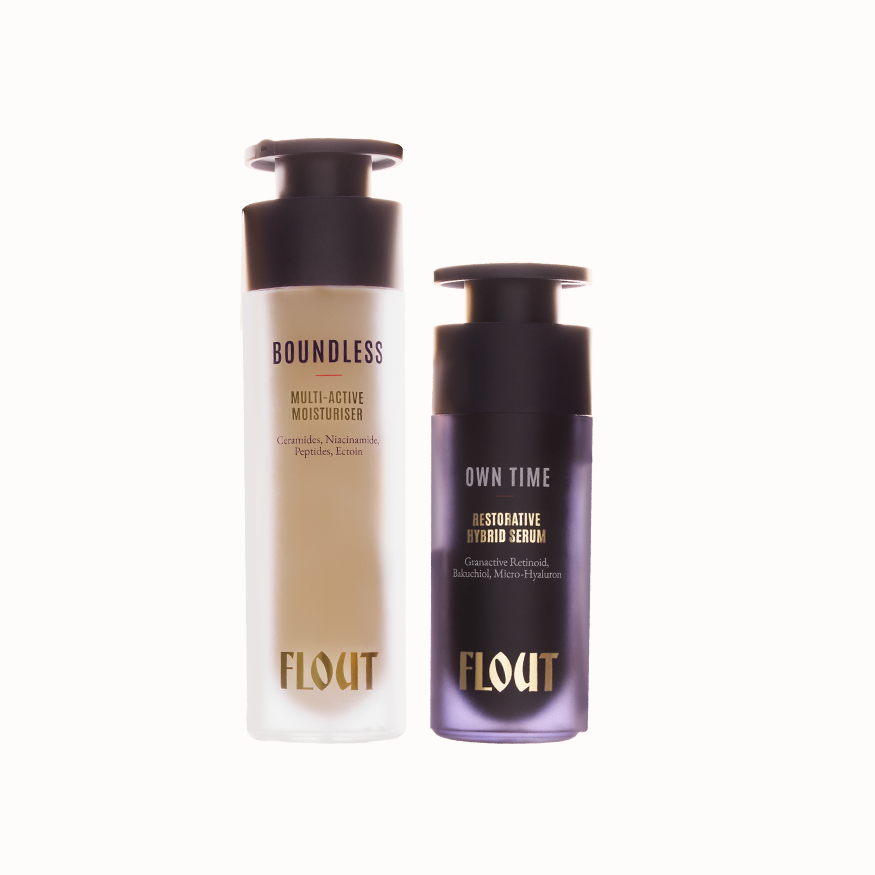
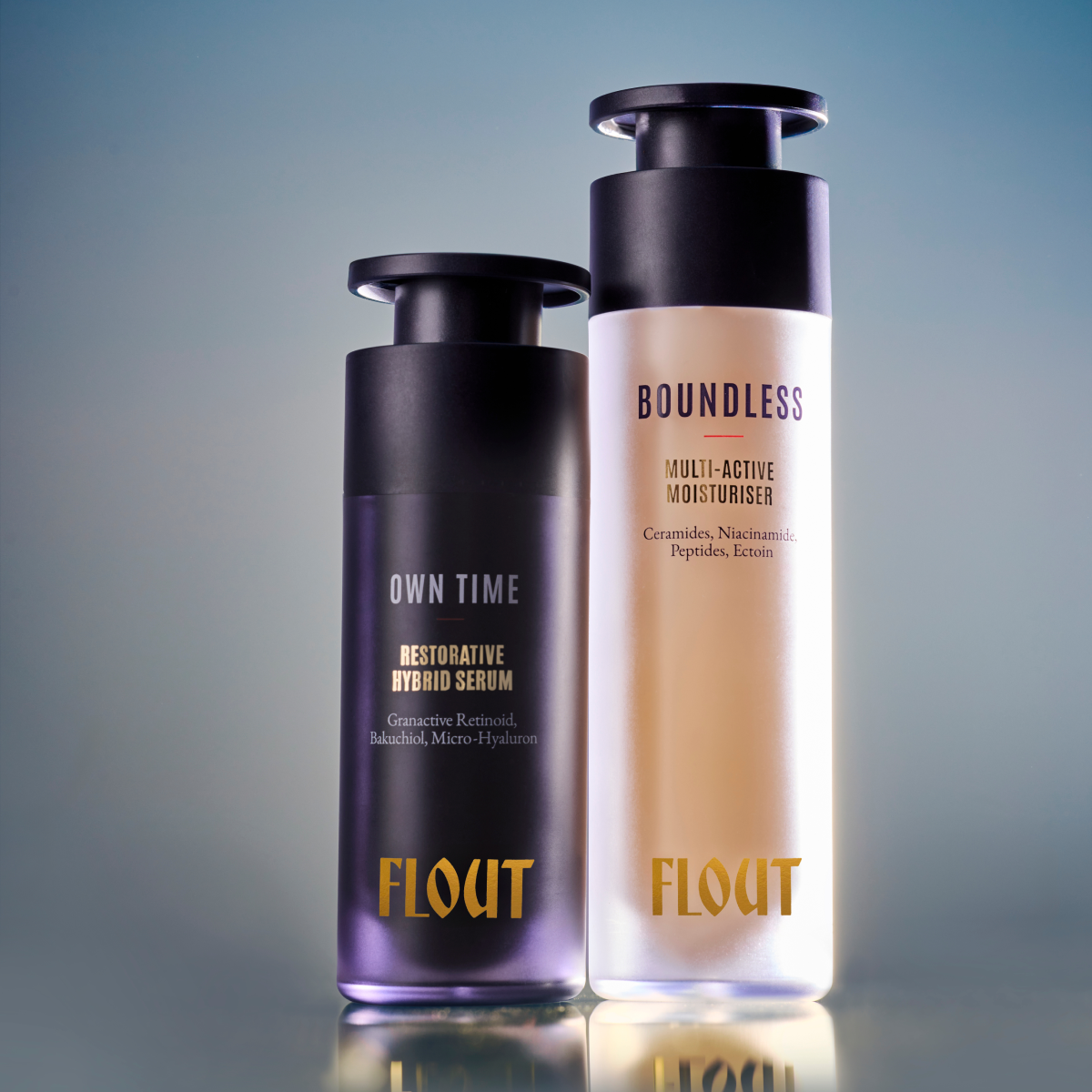
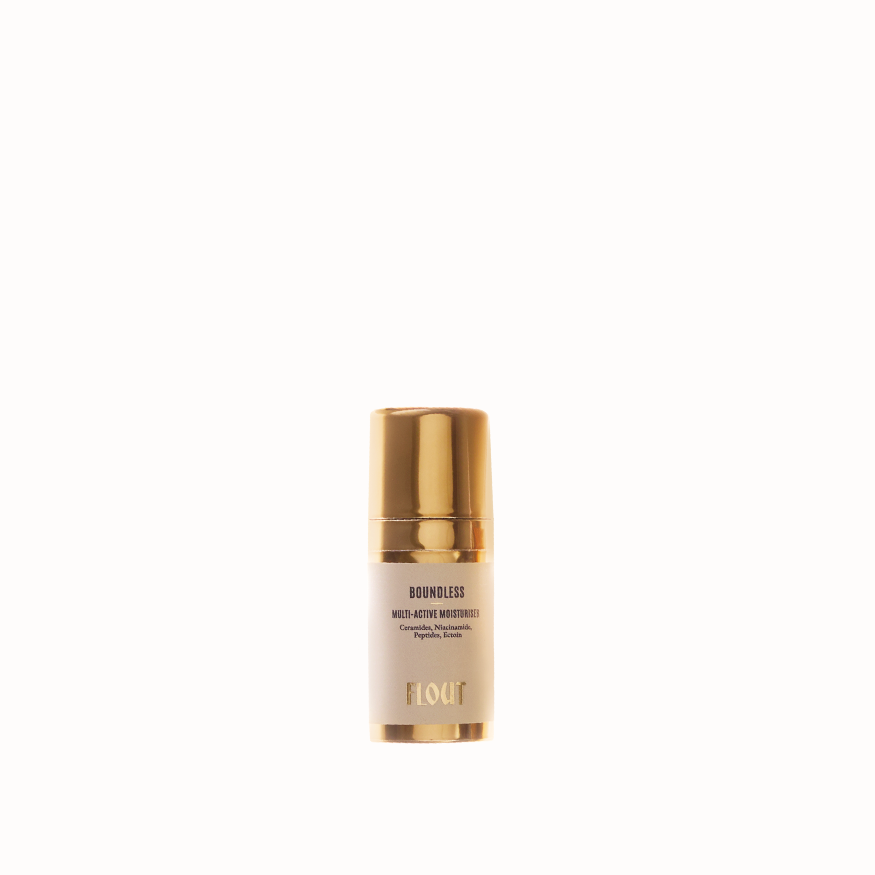
This is exactly why we built The Longevity Edit as a two-step system. Not to do less for the sake of it. But to do what matters, without overwhelming the skin.

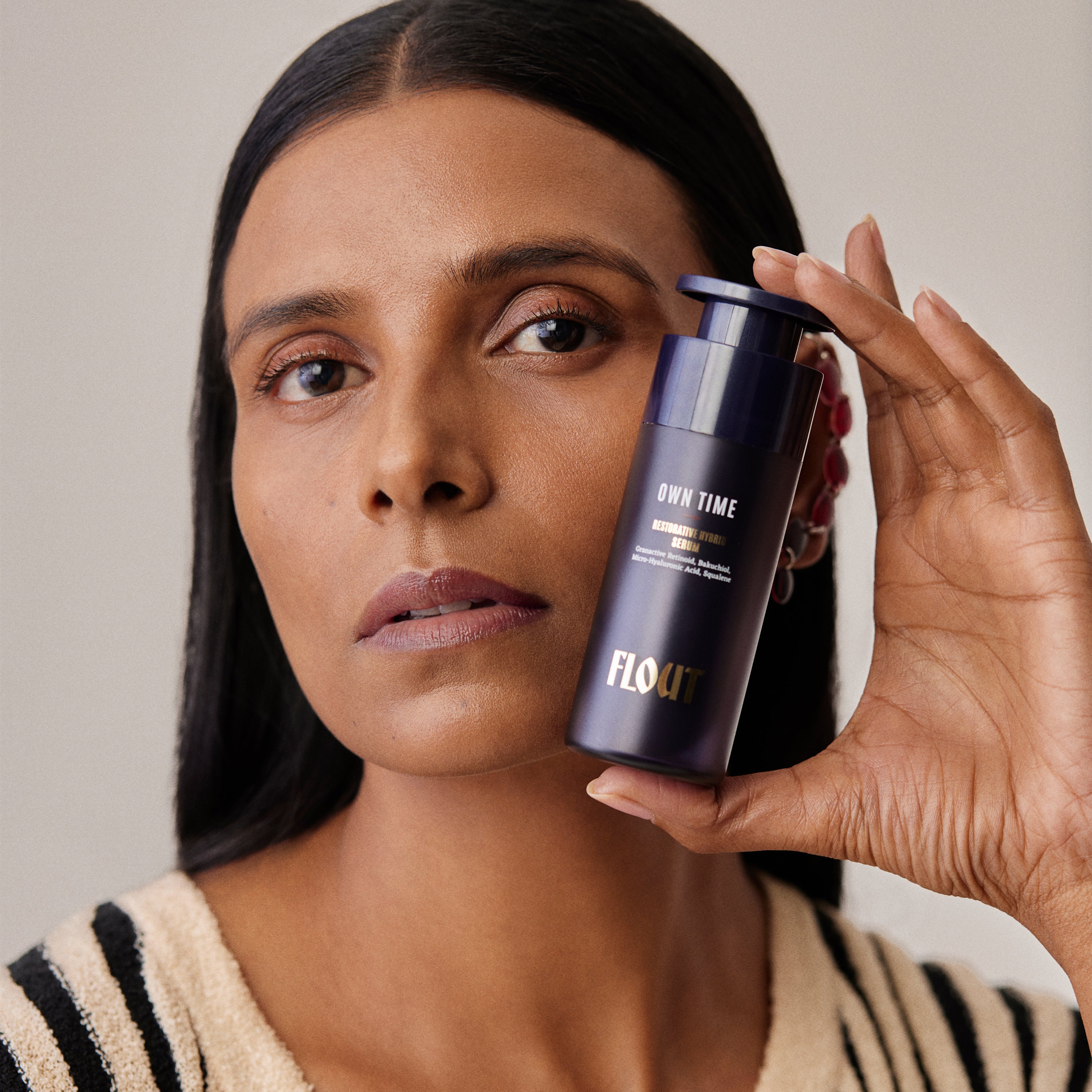
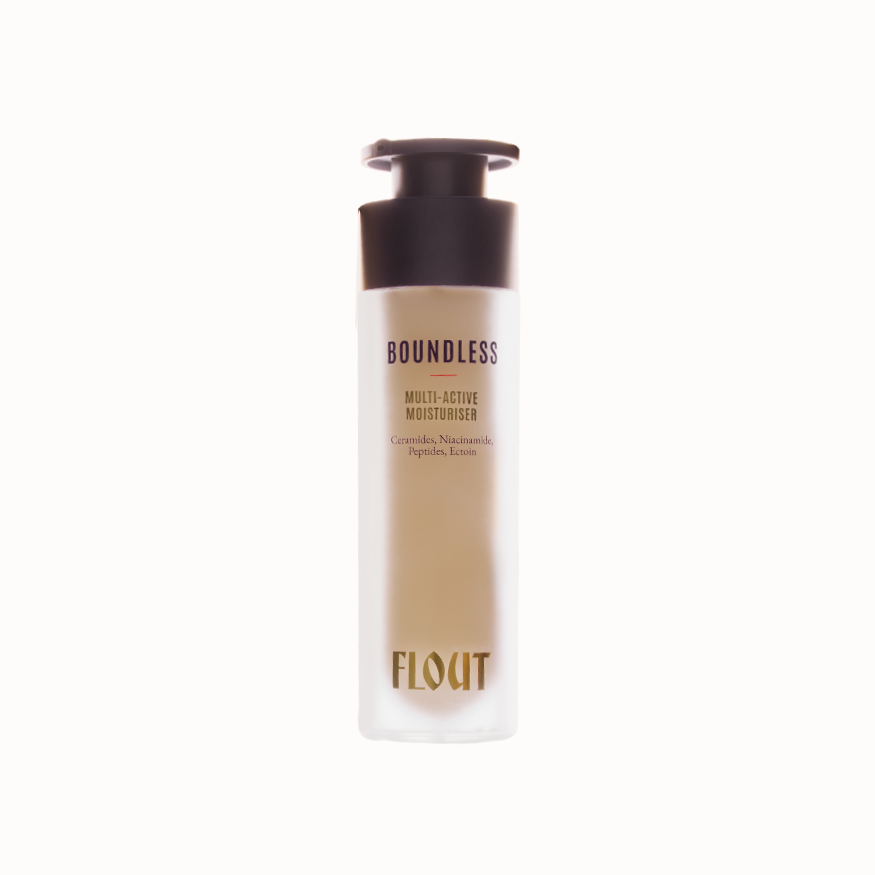
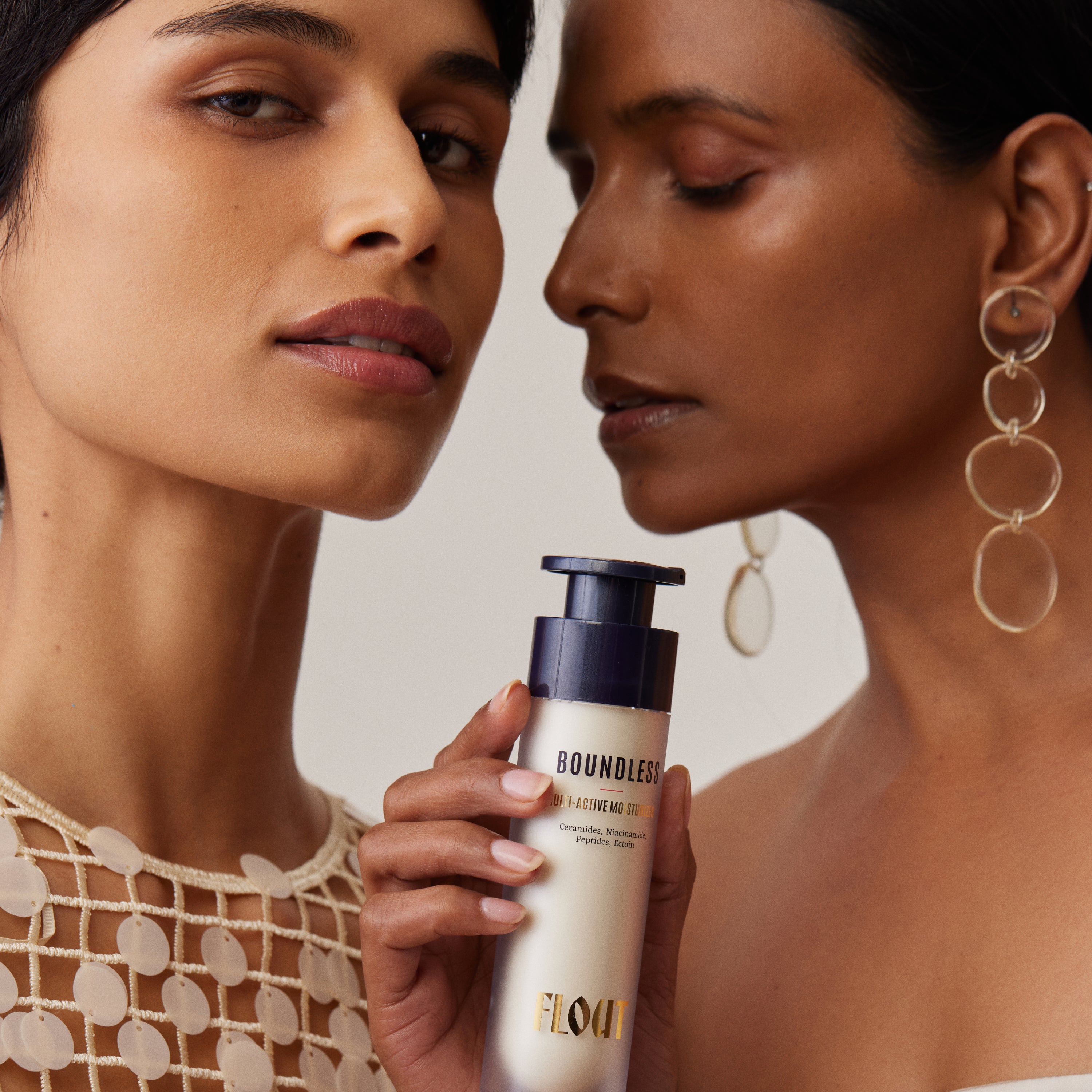
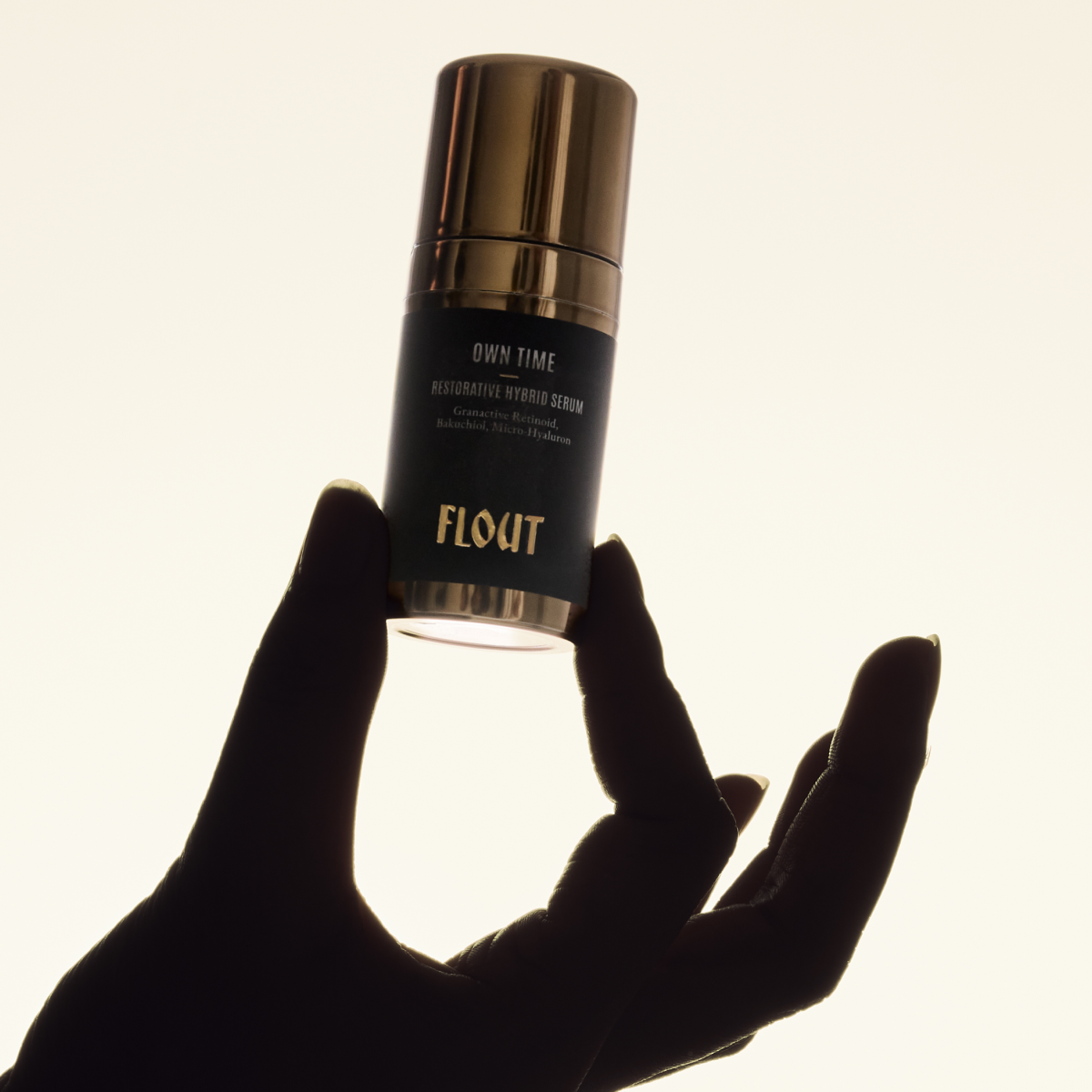
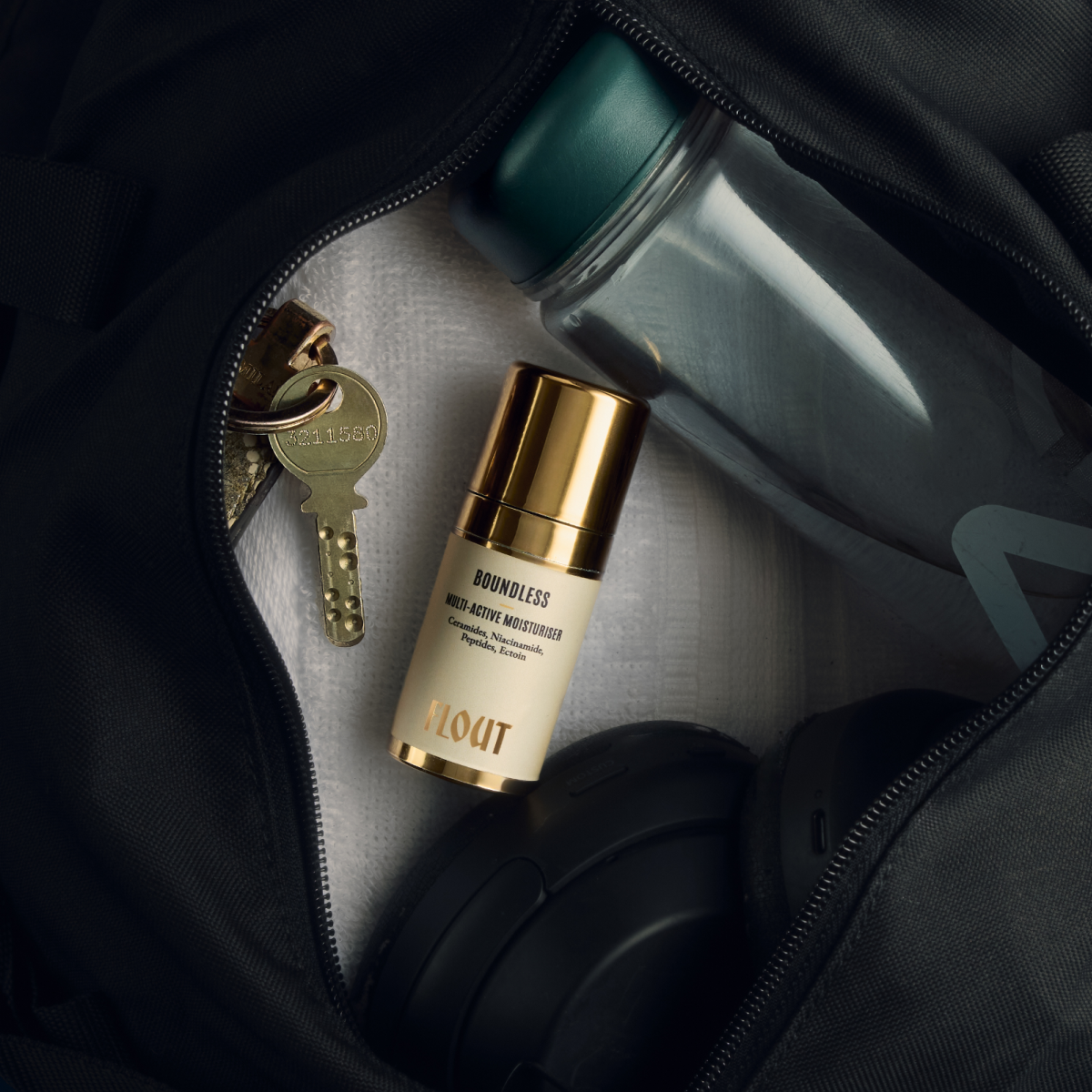
A restorative night serum that supports renewal without the typical irritation associated with retinoids and a barrier-first moisturiser that strengthens, hydrates, and stabilises the skin daily. Together, they’re designed to work with the skin’s changing biology, not against it.